
Model-based RAMS for resilient, high-availability digital infrastructure.
MADE helps data center operators design for 99.999% availability, manage thermal and electrical risk, optimise maintenance, and improve uptime across IT, cooling, power and facility infrastructure.
AI infrastructure is pushing reliability, cooling and power systems to the limit.
With SLA penalties, high energy consumption, rapidly changing workloads and multi-layered infrastructure, data center operators face stringent demands on availability, diagnostics, thermal management and maintenance. MADE supports this environment by connecting RAMS, risk, diagnostics and lifecycle decisions into one model-based framework.
Curious how?
Read on to discover the power of Model-based RAMS for data center systems — from Digital Risk Twins to diagnostics, FTA, FMEA, FHA, availability modelling and sensor coverage analysis.
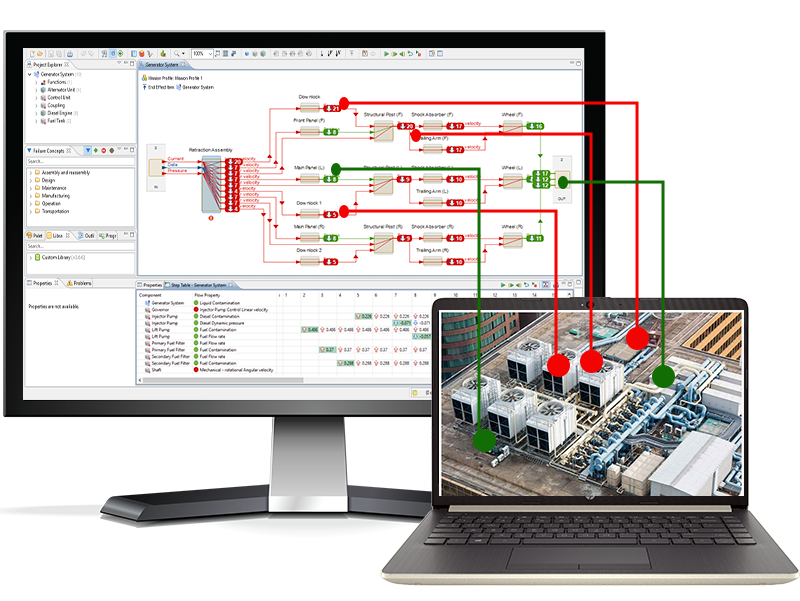
Purpose-built reliability insight for complex infrastructure.
For data center infrastructure
MADE empowers reliability modelling, Digital Risk Twin creation and predictive maintenance across power, cooling and IT systems. It helps minimise unplanned outages, accelerate ROI and support stringent uptime, performance and safety requirements.
Data Center challenges MADE helps address
MADE supports data center operators managing high-density AI workloads, cooling stress, power complexity, diagnostics, availability targets and lifecycle cost pressure.
High thermal load and cooling stress
Model dependencies between servers, cooling loops, HVAC and power systems to understand thermal degradation and cascading failure risk.
Complex power infrastructure
Analyse UPS, PDUs, generators, switchgear and redundancy configurations to identify weak points in power resilience.
Incomplete diagnostics
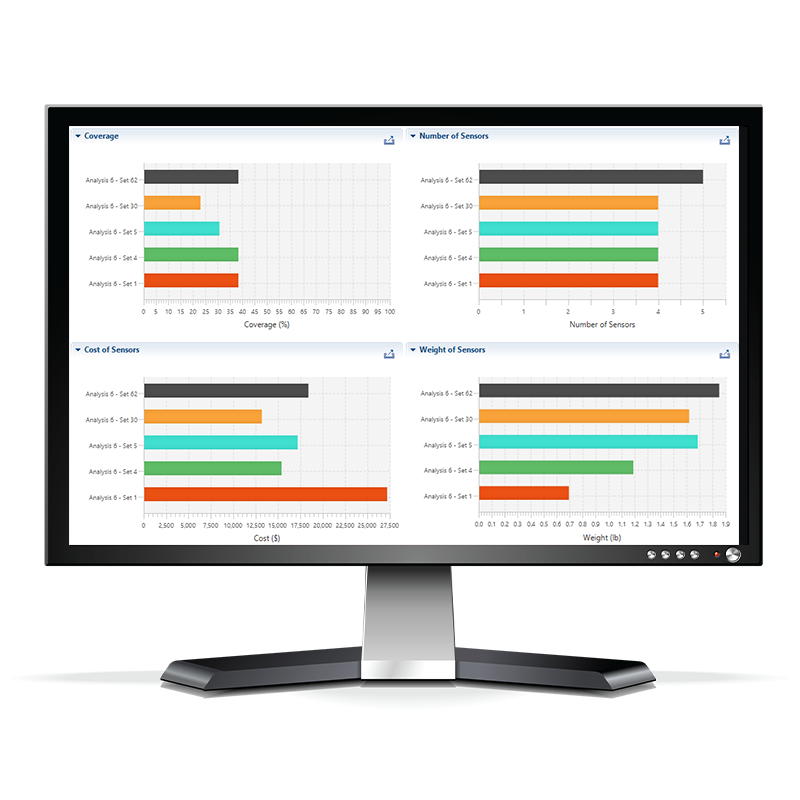
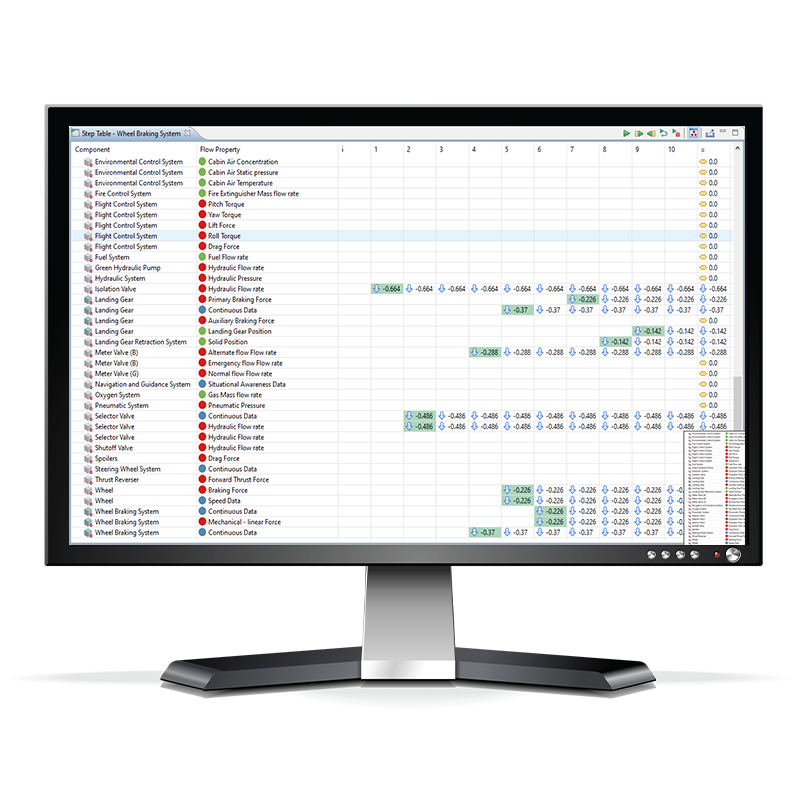
Use Digital Diagnostic Twins to verify sensor coverage, reduce diagnostic ambiguity and improve fault isolation workflows.
Maintenance and SLA exposure
Support maintenance planning, condition-based maintenance validation and availability analysis to reduce SLA risk.
Dynamic workload reconfiguration
Assess the risk impact of changing workloads, compute density, cooling strategy, hardware refreshes and infrastructure reconfiguration.
Energy-aware risk modelling
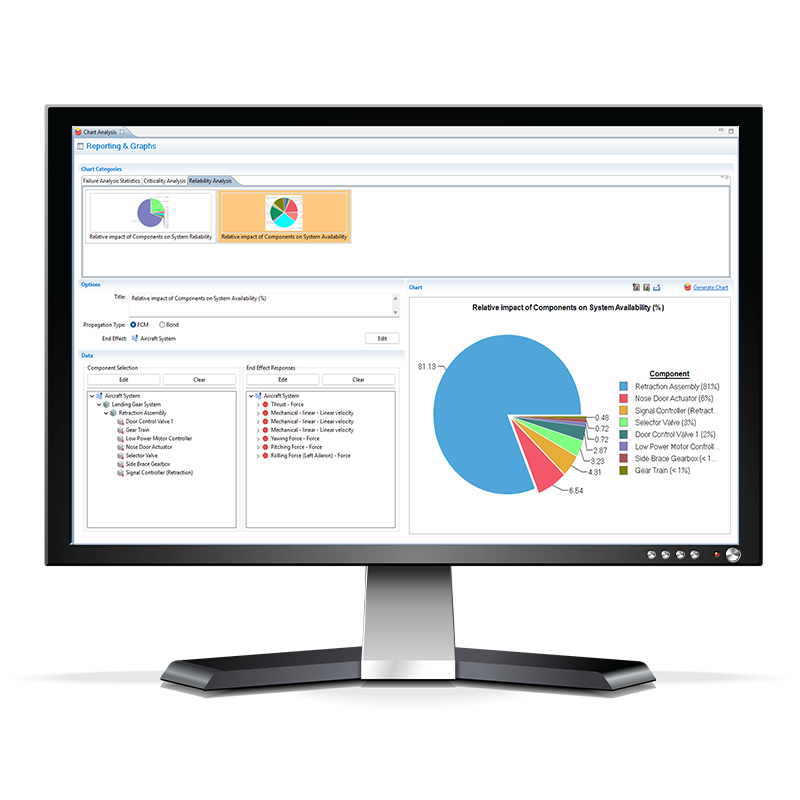
Evaluate how thermal load, power usage effectiveness, redundancy and operating strategy affect risk and availability.
Connect cooling, power and IT into one living reliability model.
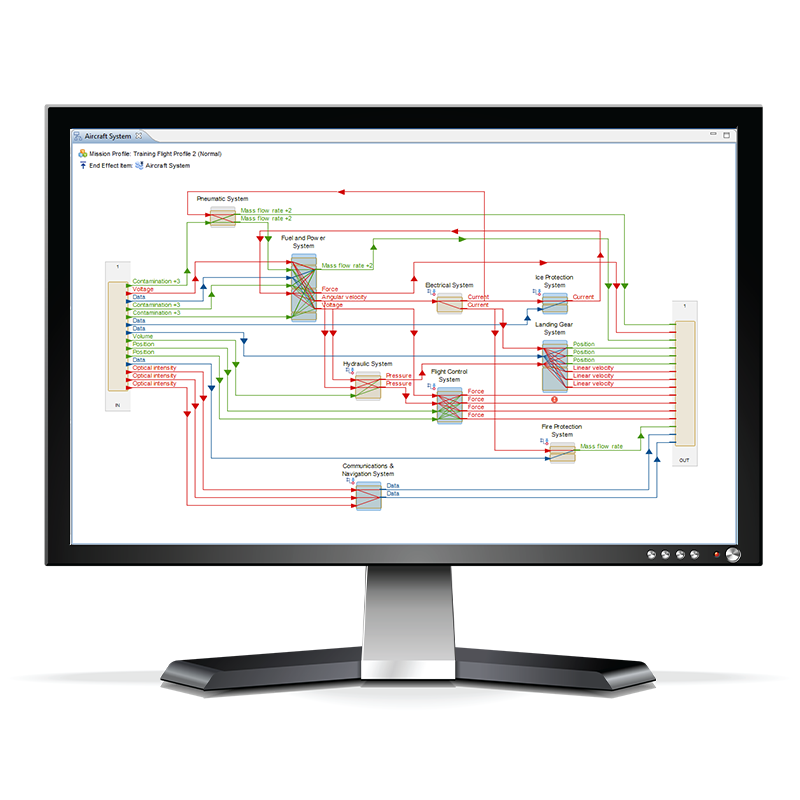
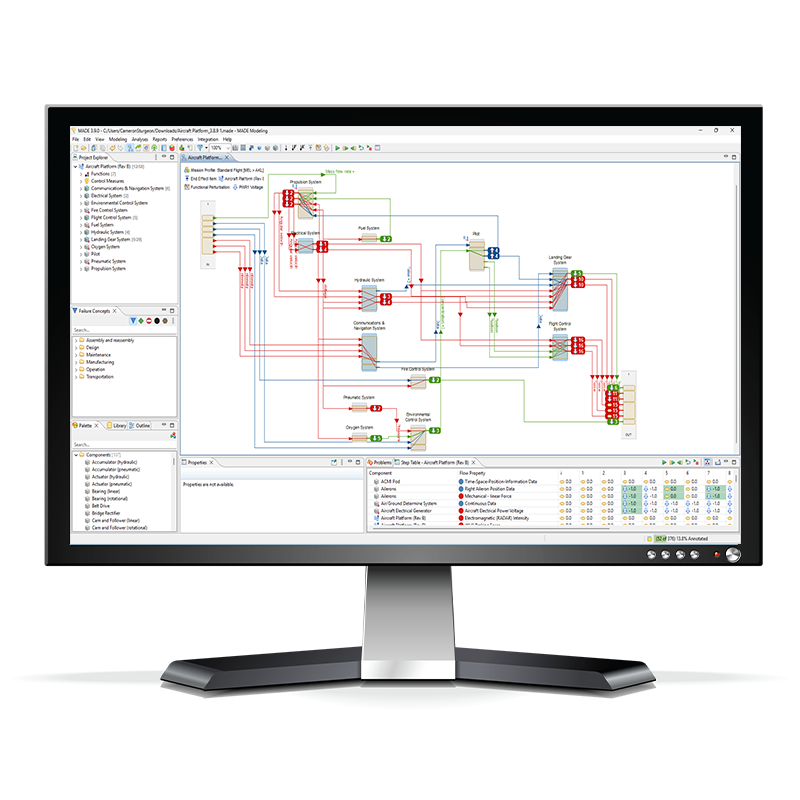
MADE creates a Digital Risk Twin of the data center, modelling cooling, power distribution, UPS, PDUs, generators and IT systems as a cohesive system. This helps operators identify interdependencies and simulate cascading thermal and electrical failures.
AI Data Center risks and how MADE helps
Explore the key failure risks in AI data centers and how MADE supports reliable, available and safe operations.
High Thermal Load & Cooling System Stress
AI workloads, especially GPU-based training, generate extreme heat and stress cooling systems beyond conventional loads.
How MADE Helps:
- Models dependencies between servers, power systems and HVAC.
- Simulates cascading failures due to cooling degradation.
- Validates cooling redundancy such as N+1 and 2N against worst-case thermal loads.
Complex Power Infrastructure & Redundancy
AI clusters demand high-density power delivery with tight uptime SLAs. Redundant systems introduce interdependent failure risk.
How MADE Helps:
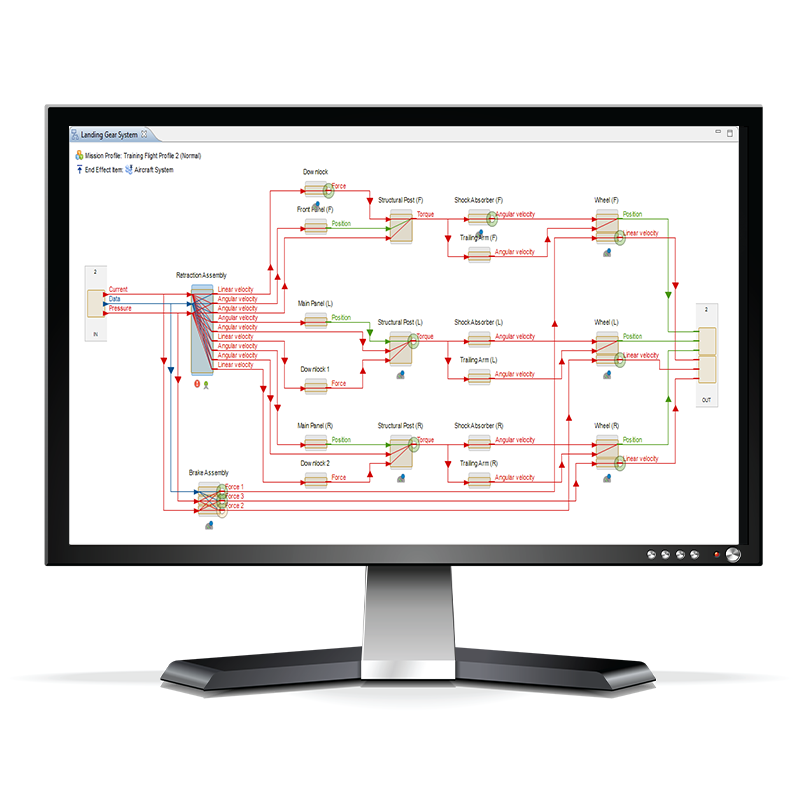
- Creates a Digital Risk Twin to simulate electrical infrastructure failure propagation.
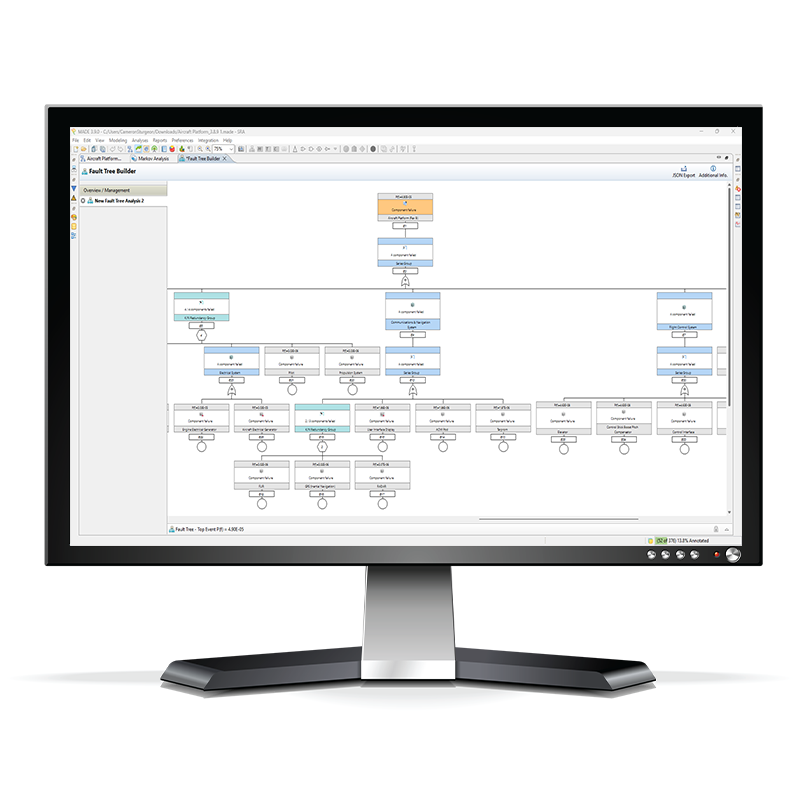
- Performs fault tree and RBD analysis across power topologies.
- Identifies weak points in redundancy architecture under load variance.
Risk of Unplanned Downtime Due to Incomplete Diagnostics
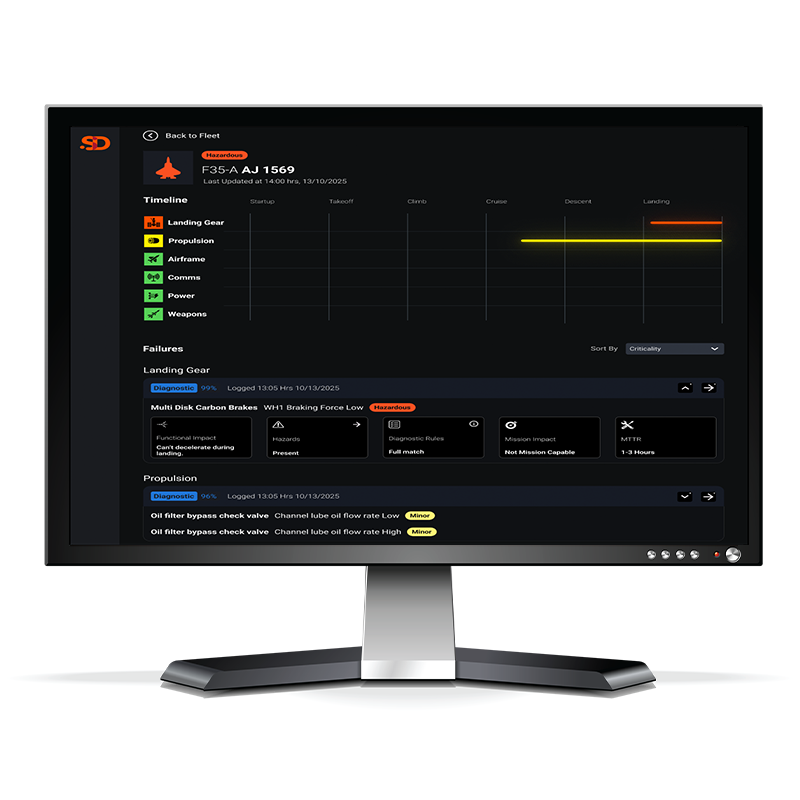
Rapid AI workload growth can create diagnostic blind spots where cooling or power failures are not detected until impact occurs.
How MADE Helps:
- Uses Digital Diagnostic Twins to verify sensor coverage, fault detection logic and isolation time.
- Simulates fault scenarios and assesses MTTR to support resilient operations.
- Helps reduce diagnostic ambiguity and missed alarms.
High Cost of Maintenance and SLA Penalties
AI downtime can create financial and operational losses through training interruption, data loss or SLA violations.
How MADE Helps:
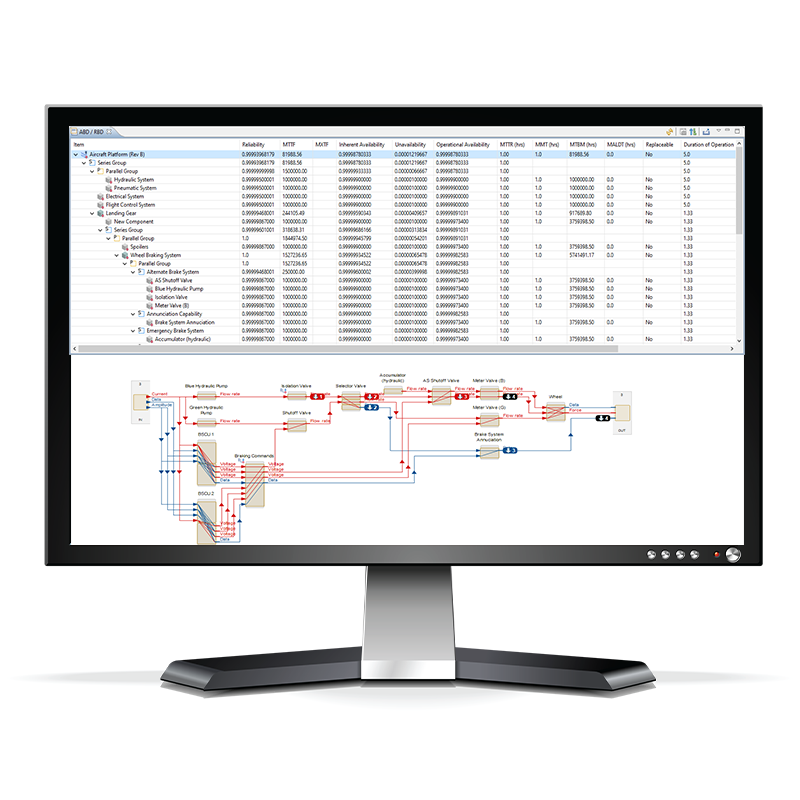
- Supports condition-based maintenance validation.
- Predicts and schedules maintenance without over-servicing.
- Calculates availability under repair scenarios for SLA assurance.
Dynamic Workloads & Infrastructure Reconfiguration
AI workloads change rapidly, requiring reallocation of compute resources, cooling strategies and power loads.
How MADE Helps:
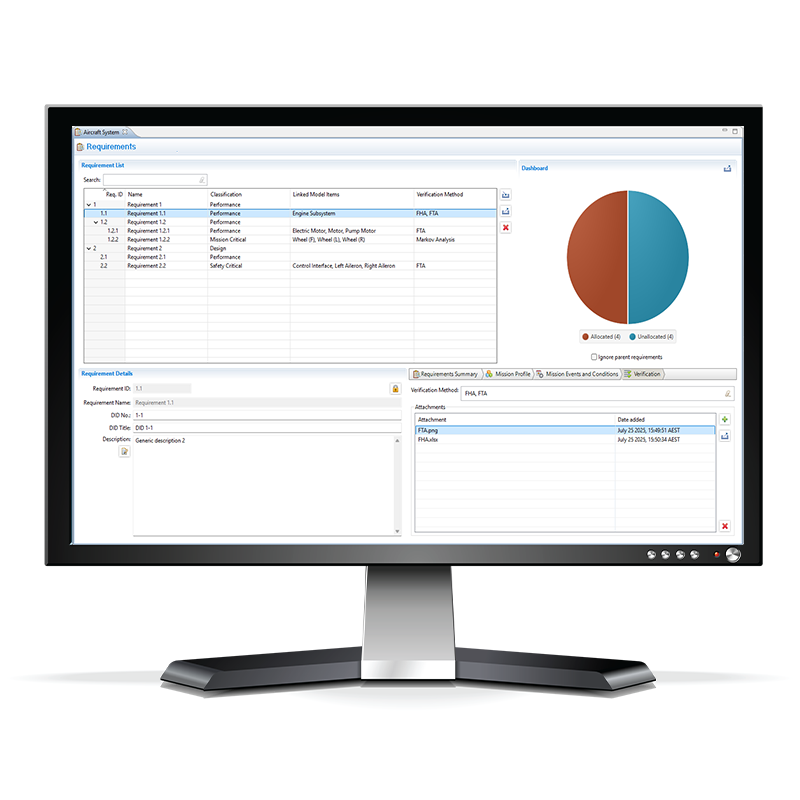
- Models flexible infrastructure scenarios and assesses associated risks.
- Supports what-if trade studies across workloads and hardware configurations.
- Keeps RAMS artefacts aligned with operational changes.
Unlock the power of Model-based RAMS for Data Centers.
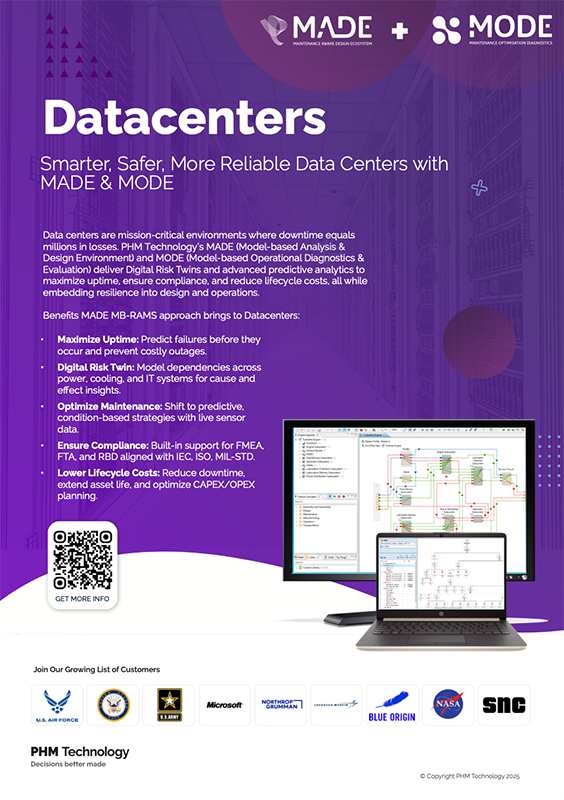
Download the MADE Data Centers brochure to see how Digital Risk Twins, diagnostics, RAMS automation and lifecycle analysis help transform data center reliability and availability strategy into a competitive advantage.
MADE capabilities for Data Center RAMS
MADE brings reliability, availability, diagnostics, safety and lifecycle analysis together in one model-based environment.
Fault Tree Analysis
At the touch of a button
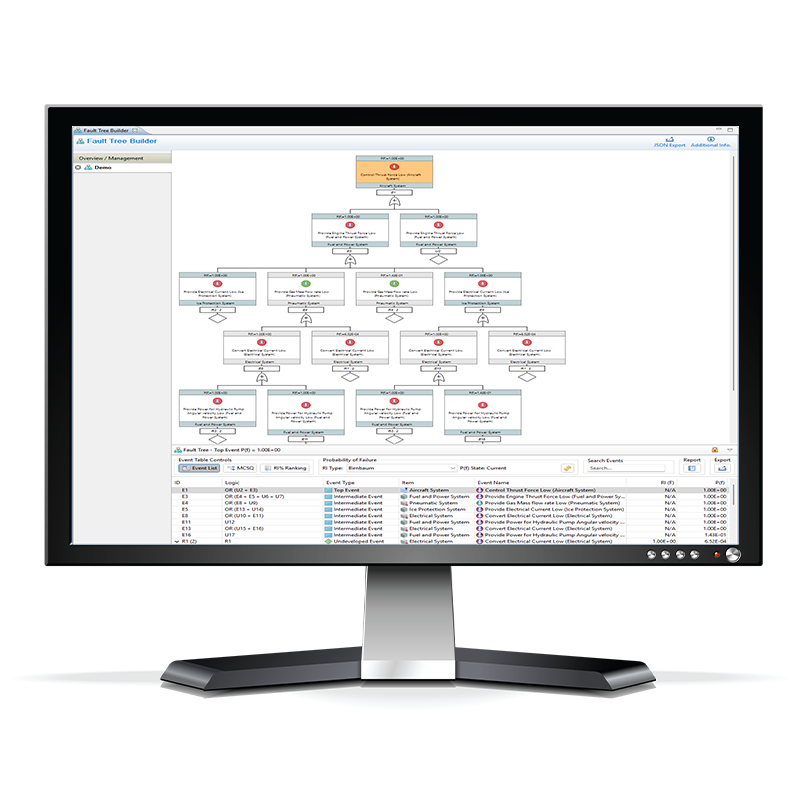
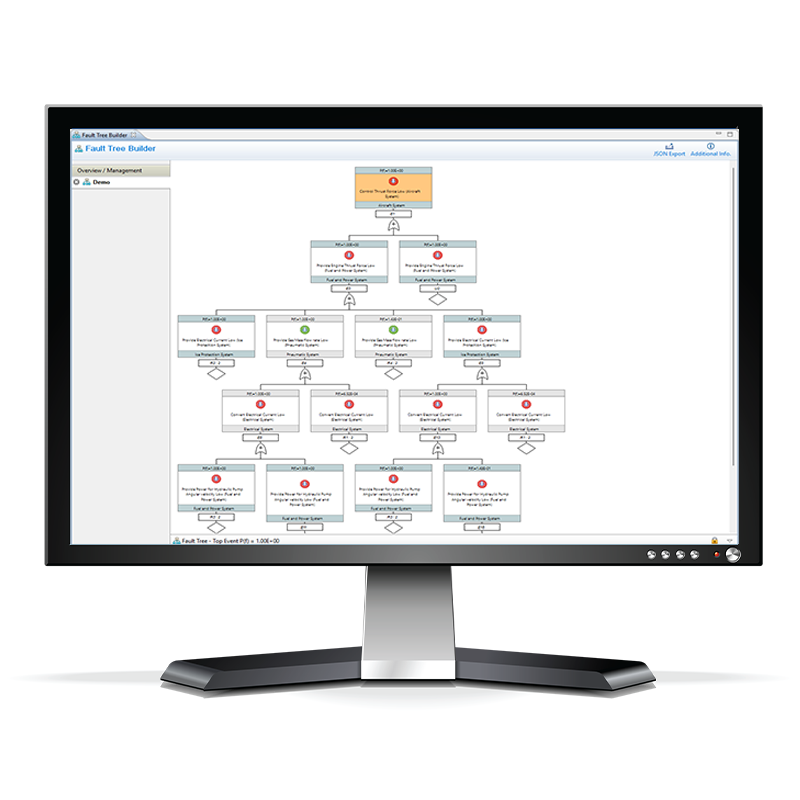
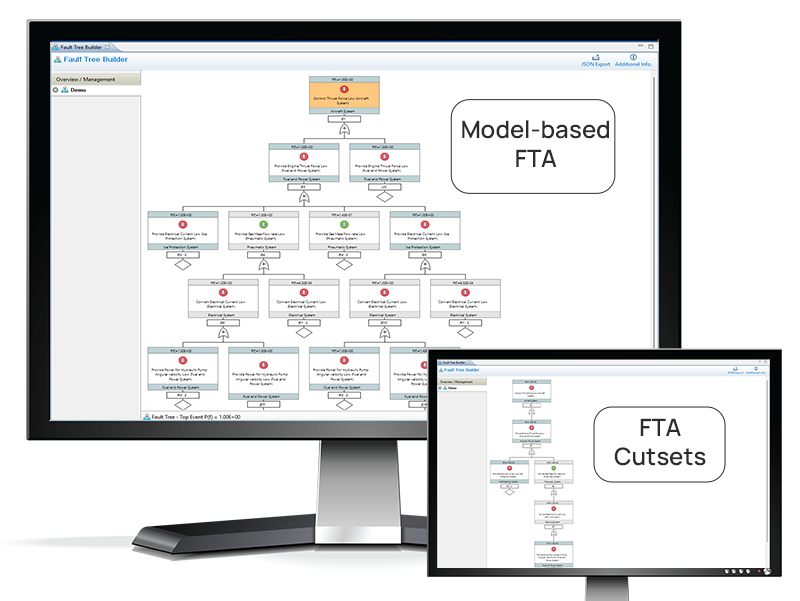
MADE’s automated FTA helps teams identify and mitigate critical system risks consistently. By tracing failure pathways from top-level events to root causes, MADE enhances safety, supports compliance and reduces downtime across the data center.
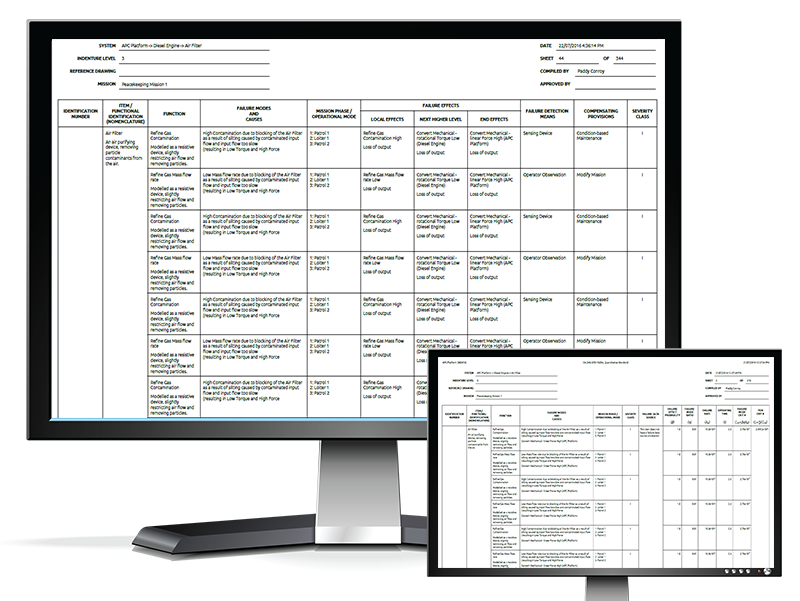
Failure Mode Effects Analysis
Objective, faster and repeatable
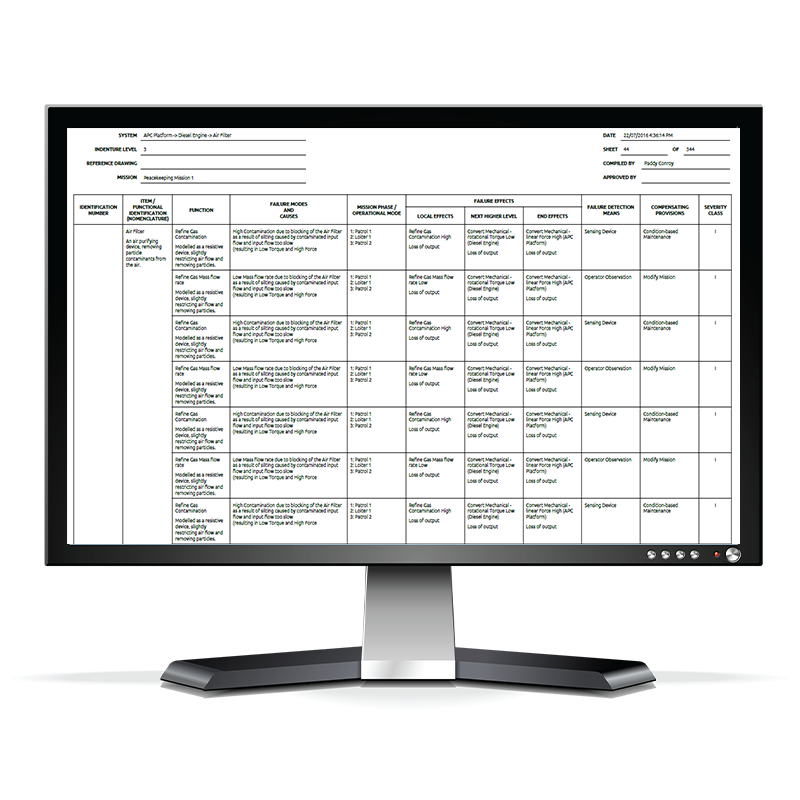
MADE’s automated FMEA enables early detection of failure modes across critical data center systems. Its model-based approach makes analysis repeatable as designs, infrastructure and operating models evolve.
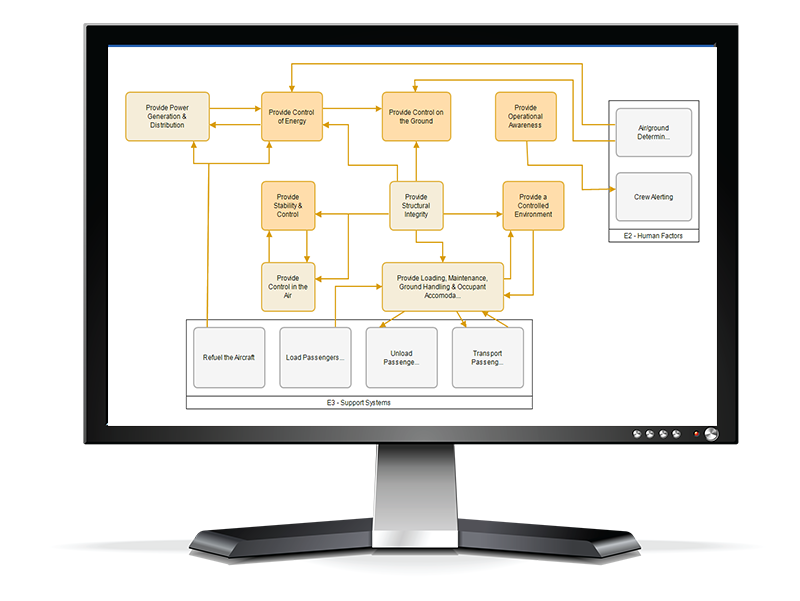
Functional Hazard Assessment
Better infrastructure safety
MADE’s FHA helps data centers assess and prioritise functional failures before they lead to hazards. It supports safer system design by linking functions to risks and identifying critical loss scenarios early.
Outcomes for Data Center organisations
MADE helps teams move from fragmented analysis to connected engineering intelligence.
Build more resilient Data Centers with MADE.
MADE enables data center teams to unify availability, diagnostics, reliability, maintenance and risk analysis within a single model-based engineering framework — helping operators improve uptime, reduce risk and make better lifecycle decisions.