
MADE Reliability Allocation
Turn system reliability targets into
actionable design requirements.
MADE Reliability Allocation helps engineering teams apportion top-level reliability requirements down to subsystems, components and parts — creating granular, traceable targets that support design confidence, sustainment planning and lifecycle performance.
Reliability Targets
Generate item-level requirements from system-level objectives.
Mission Context
Allocate reliability in the context of expected usage profiles.
Weighted Analysis
Use hardware, functional, state-of-the-art or historical weighting.
Target vs Actual
Compare allocated requirements against current performance.
Traceability
Maintain a data thread across design and operation.
Why Reliability Allocation Matters
High-level reliability targets are not enough.
Reliability requirements are often defined at the system level, while reliability performance is ultimately created from the bottom up through components, subsystems and design decisions. Without allocation, engineering teams can face a disconnect between what the system must achieve and what each item must deliver.
Close the gap between requirement and design reality.
MADE apportions top-level reliability down to constituent items based on system structure, weighting criteria and mission profile context, giving engineers clear reliability targets that can be tracked as the design matures.
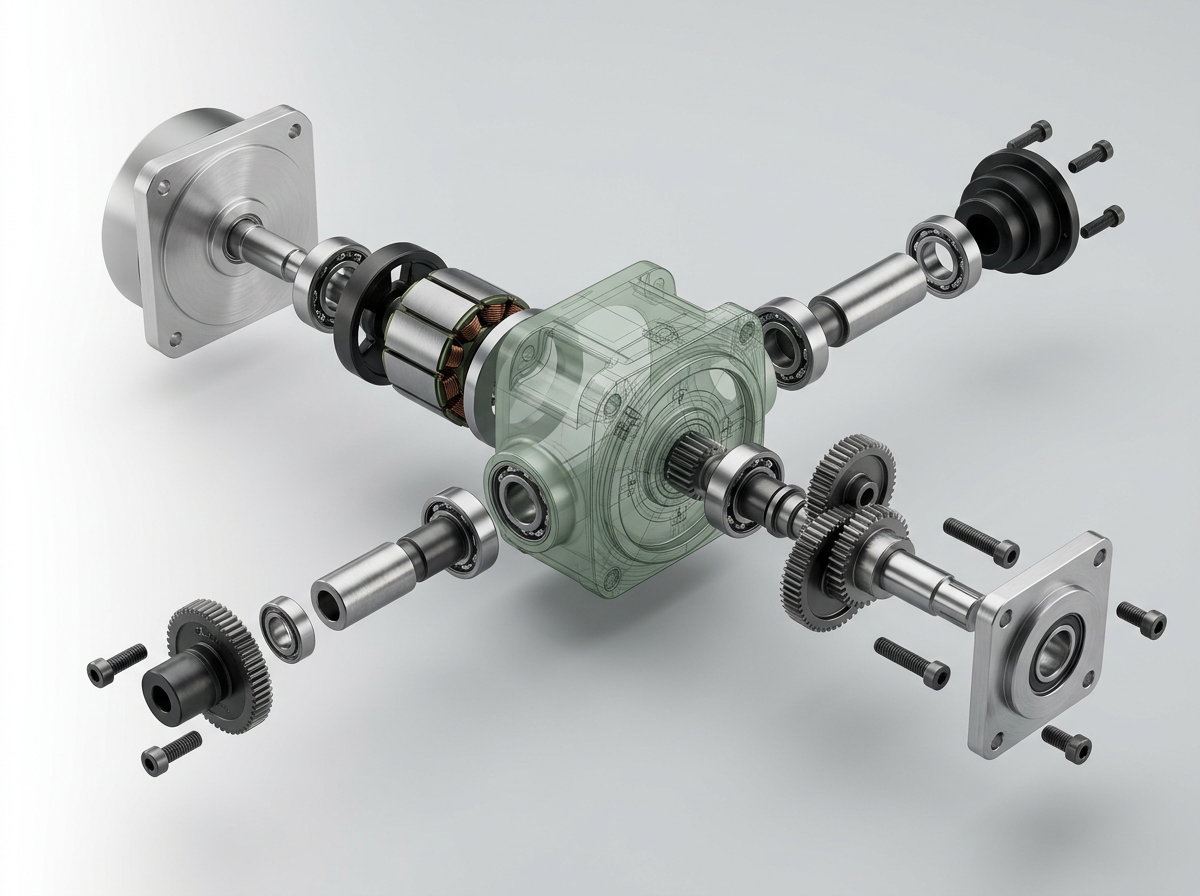
From system requirement to component-level reliability confidence.
MADE Reliability Allocation connects high-level reliability goals to the system model, allowing teams to allocate, apply, assess and compare reliability performance across the design and operational lifecycle.
1
Create the RBD
Represent the system structure in MADE using a Reliability Block Diagram.
2
Run Allocation
Apply equal or weighted allocation methods to apportion the top-level target.
3
Apply Targets
Push allocated values to the model as item-level requirements or baseline reliability states.
4
Compare Performance
Assess current design or operational reliability against allocated targets.
Reliability Allocation helps solve a critical design problem.
It connects top-level reliability expectations to the engineering decisions that determine whether the system will actually meet them.
Requirement-to-design disconnect
Break high-level reliability requirements down into actionable targets for subsystems, components and parts.
Late reliability surprises
Reduce redesign risk by identifying whether item-level performance is likely to satisfy system-level expectations earlier.
Unsupported sustainment assumptions
Use allocated reliability targets to improve confidence in availability, maintenance and support cost planning.
Limited mission context
Analyse reliability allocation in the context of the mission profile and expected system use case.
Weak lifecycle traceability
Track allocated reliability targets as the system progresses from design into operation and sustainment.
No objective comparison
Compare target reliability against current design or operational performance using model-based outputs.
Weighted Reliability Allocation
Allocate reliability based on what makes each item different.
Move beyond simple equal allocation when system complexity demands it.
MADE supports weighted allocation methods that consider factors such as technological maturity, hardware complexity, functional complexity and historical reliability data. This helps teams set more realistic item-level targets aligned to system architecture and expected performance.

Target vs Actual Reliability
Compare allocated requirements against current performance.
Understand whether the design is converging toward the reliability target.
As the design develops, teams can update the model with current reliability data, generate analysis outputs and compare target reliability against current or operational performance. This helps identify deltas early and supports better engineering decisions.

See Reliability Allocation in action.
Explore how MADE turns system reliability requirements into actionable targets for your engineering team.
Allocation methods supported in MADE
MADE supports equal allocation and multiple weighted allocation methodologies to help teams tailor reliability targets to system context.
Equal Allocation
Allocate item reliability equally at each level of indenture to meet the parent item’s reliability target.
State of the Art
Rank items based on technological development, with less mature items assigned different target expectations.
Hardware Complexity
Allocate targets based on the complexity of physical hardware within the system structure.
Functional Complexity
Rank items based on the complexity of functions they perform, supporting more realistic reliability apportionment.
Historical Reliability Data
Use prior reliability performance to inform target allocation for items with known reliability characteristics.
Mission Profile Context
Analyse reliability allocation in the context of how the system is expected to be used operationally.
Product Evidence
See Reliability Allocation within the design process.
The brochure workflow shows how MADE supports allocation generation, application to the system model and comparison against current reliability performance.

What MADE Reliability Allocation enables
Reliability Allocation provides the engineering bridge between system-level requirements and item-level reliability performance.
Generate Reliability Targets
Create clear reliability requirements for subsystems, components and parts from top-level reliability objectives.
Apply Targets to the Model
Push allocated values into the system model as applied targets or baseline reliability states.
Assess Design Progress
Update the model with current reliability data and assess expected system reliability as the design matures.
Compare Reliability Deltas
Run comparison reports between target and current reliability performance to identify gaps.
Support Sustainment Planning
Improve confidence in availability, maintenance and support cost assumptions by grounding them in allocated reliability.
Maintain Lifecycle Traceability
Preserve a traceable data thread across design, development and operational reliability performance.
Impact for engineering and sustainment teams
MADE Reliability Allocation helps teams design with greater reliability confidence while reducing downstream redesign, availability and sustainment risk.
Reduce redesign risk
Identify reliability gaps before integration creates late-stage rework.
Improve design confidence
Give engineers clear item-level targets tied to system-level requirements.
Strengthen RAMS traceability
Maintain a model-based thread from requirement to design to operation.
Support mission readiness
Understand reliability in the context of expected system use and mission profile.
Improve sustainment planning
Connect reliability expectations to maintenance, availability and support costs.
Measure performance gaps
Compare target reliability against current design or operational reliability.
Design for reliability before reliability becomes a sustainment problem.
MADE Reliability Allocation gives engineering teams a model-based way to translate system reliability requirements into actionable component-level targets, track design progress and compare performance across the lifecycle.