
Condition Aware by Design
Anticipate Failures. Optimize Availability. Assure Operational Confidence.
Eliminate reactive maintenance by modeling system-level failure responses and identifying condition monitoring opportunities. Support early, model-based validation of diagnostics and prognostics, ensuring health monitoring strategies are both robust and relevant. Run trade studies on sensor sets, fault logic, and failure coverage, reducing false alarms, improving detection, and cutting lifecycle costs. The PHM Module ensures your system is built to last.
Get Proactive for Smarter Sustainment
The MADE Prognostics & Health Management (PHM) Module enables engineers to anticipate and address system failures before they impact operations. By modeling failure behavior, simulating diagnostic performance, and validating condition monitoring strategies early in the design process, PHM transforms reactive maintenance into a proactive, cost-effective capability.
Whether you’re designing for certification or operational resilience, the PHM Module equips teams with the tools to engineer smarter health management solutions, from selecting the right sensors to verifying failure detectability and reducing maintenance uncertainty.

Anticipate, Adapt, and Act

Proactive System Health & Performance Management
The PHM Module integrates diagnostic intelligence directly into system design. It supports early identification of latent risk factors and enables data-driven sensor placement using system dependencies. Streamline sensor selection and drastically improve fault isolation and health assessment through automated design. Together, these capabilities help organizations design more maintainable and observable systems from the outset.
- Eliminate Reactive Maintenance – Design-in intelligence to predict and manage failures before they occur
- Early Diagnostic Validation – Simulate and assess detection and isolation logic during design—not after deployment
- Optimize Sensor Strategies – Run trade studies to balance coverage, cost, and performance
- Reduce False Alarms & Missed Detections – Improve reliability and operator trust in diagnostic alerts
- Support Certification Readiness – Generate auditable, model-based evidence for PHM performance and compliance
- Causation-based AI – Detailed failure syndromes assist in building a Causation-based AI approach to FDI.
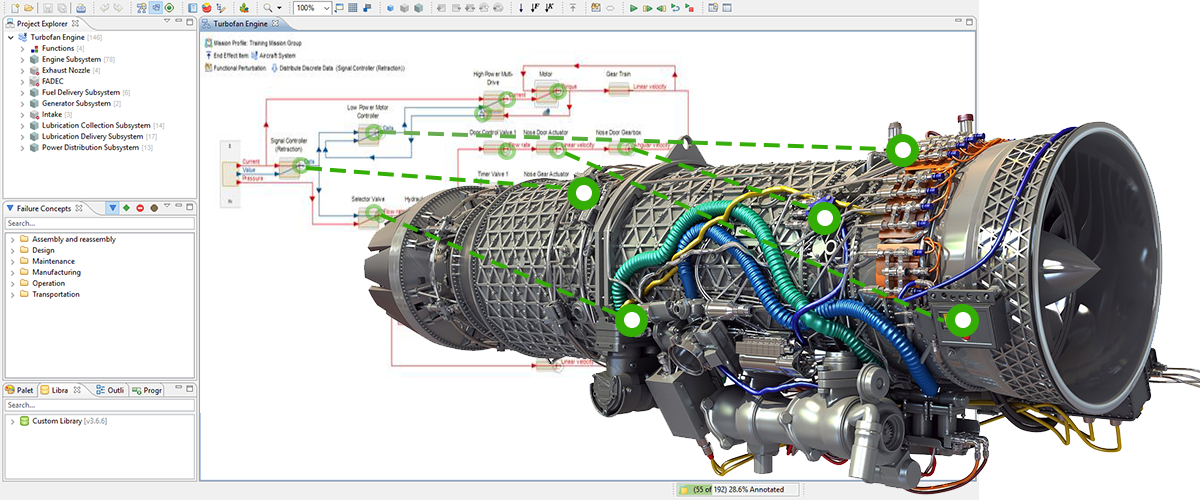
Find Out How – Download the MADE-PHM Brochure
Click the image to download and see how MADE transforms your PHM strategy into a competitive advantage.
Download brochure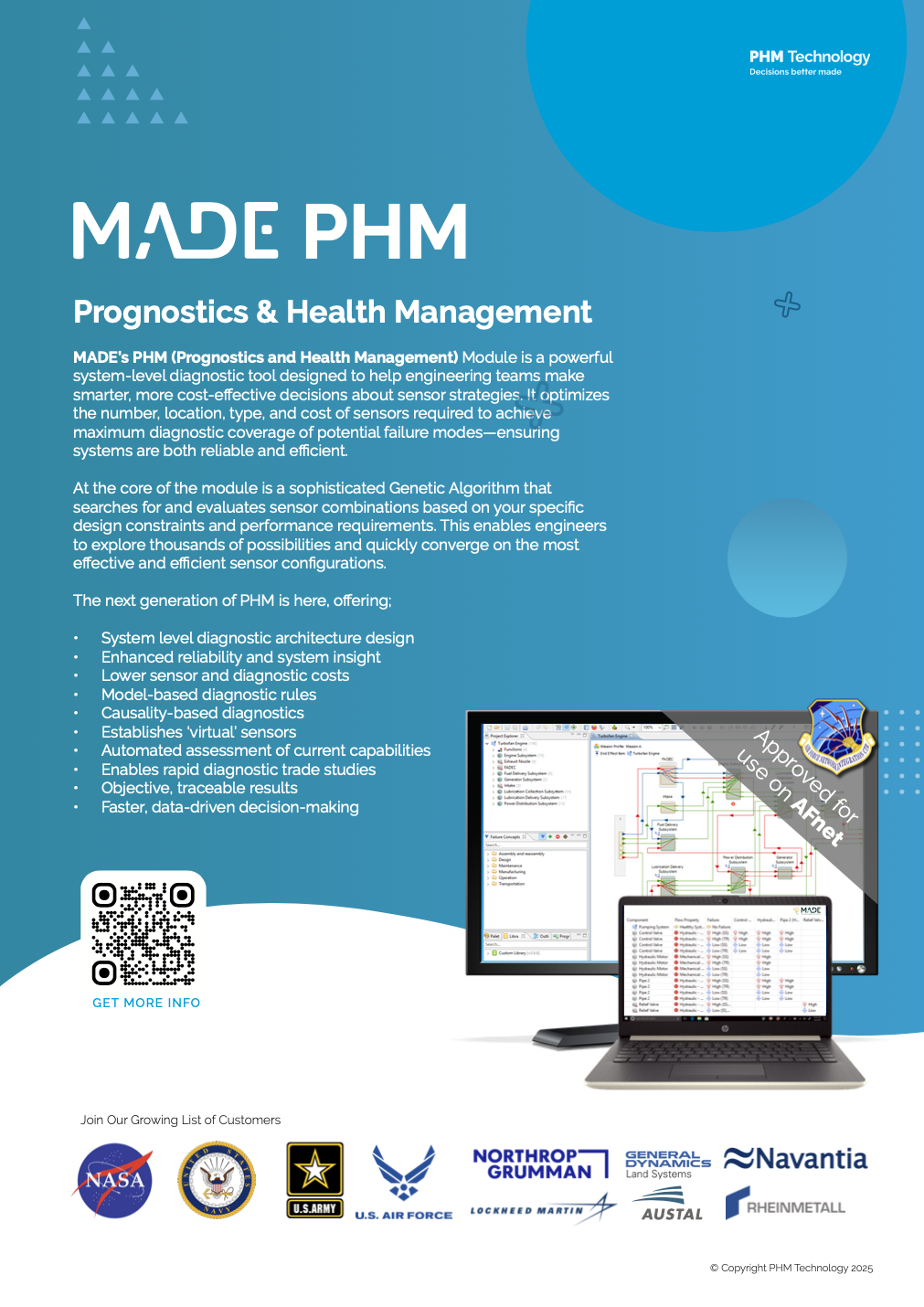
Predict. Diagnose. Sustain with Confidence.
The MADE PHM Module helps engineers shift from reactive maintenance to proactive system design. By simulating failure behavior and validating diagnostics early, it ensures robust, field-ready health monitoring solutions.
Key capabilities of this module include:
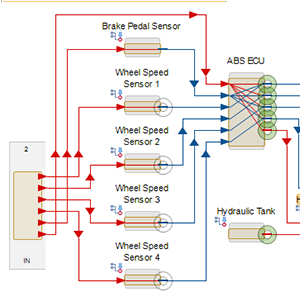
PHM Modeling Capabilities
Identify the existing sensors of components / systems in the model
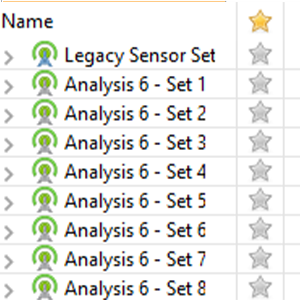
Inherent Diagnostic Capability Assessment
Determine the existing diagnostic coverage of failures based on an existing (Legacy) sensor set
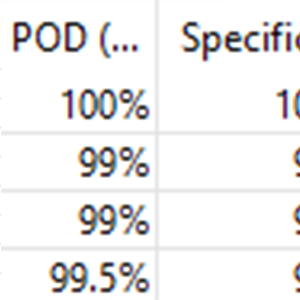
Theoretical Diagnostic Capability Assessment
Automated sensor set design that uses AI to maximize failure detection and isolation (Design)
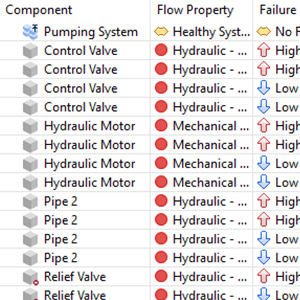
Sensor Ambiguity Groups
Autonomously identify failures that cannot be uniquely identified with a selected sensor set
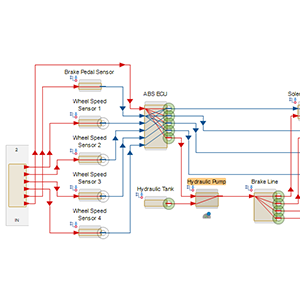
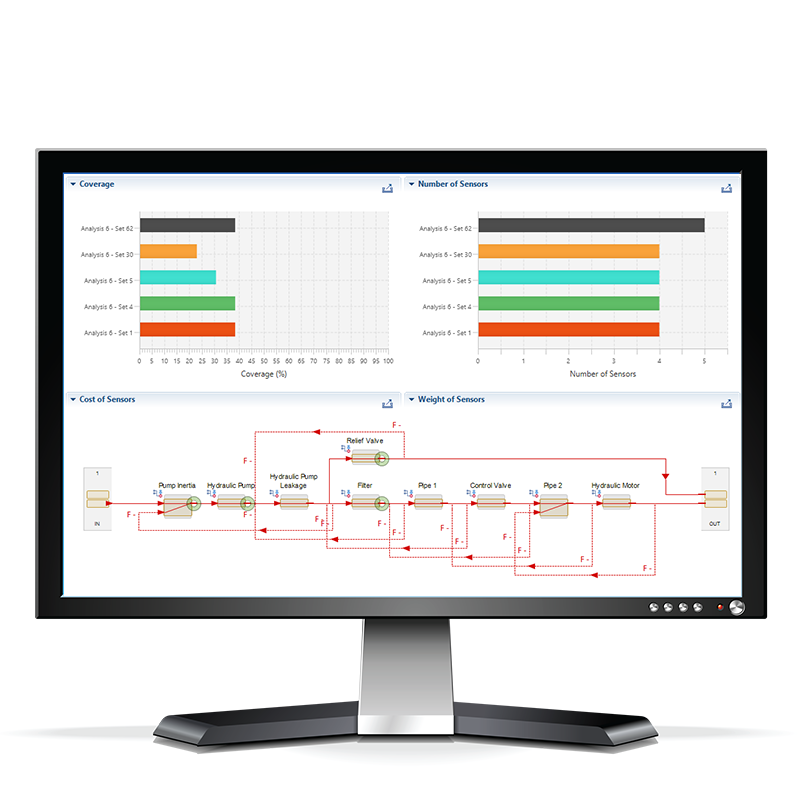
Sensor Design Trade Studies
Compare sensor sets based on metrics including cost, coverage, weight, etc.
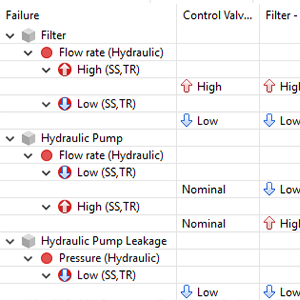
Diagnostic Rules Generation
Auto-generate the sensor responses used to isolate specific failures
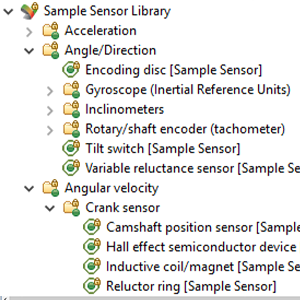
Sensor Libraries
Library of >900 sensor types, the details of specific sensors can be saved and reused for different projects
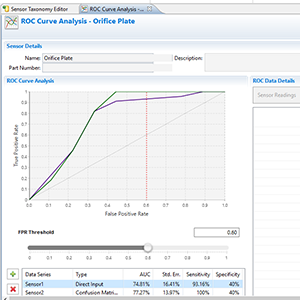
ROC Curves
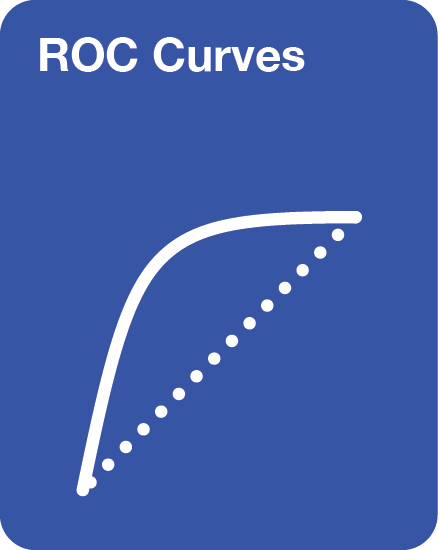
Receiver Operating Characteristic (ROC) curves use sensor failure data to plot the relationship between True Positives and False Positives observed based on a sensor’s test threshold
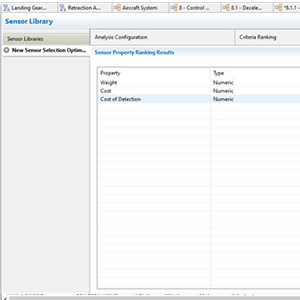
Sensor Selection Optimization
Optimization algorithm to identify specific sensors based on user-defined metrics (physical dimensions, performance, reliability, etc.)
Let’s explore how the MADE Reliability Software can transform your engineering processes
Whether you have a specific challenge in mind or just want to learn more, we’re here to help. One of our experts can share insights tailored to your needs.
Talk to our team