
Knowledge Centre · Modelling practice
Planning to model.
Define the engineering decisions, evidence and lifecycle outcomes before building the model. A focused plan prevents unnecessary detail and creates a model that can support the analyses that matter.
Start with the decision
Why planning matters before modelling begins.
A common modelling mistake is to start creating items, functions, flows and failure data before agreeing what the model must help the organisation decide.
Without a defined purpose, teams can spend time completing data that will never be used, build detail that cannot support later analyses, and create a model that is difficult to maintain. Planning aligns stakeholders on the intended outcomes and focuses effort on the minimum useful model.
Prevent wasted effort
Only collect data and create model detail that supports an agreed deliverable or decision.
Design for reuse
Sequence early modelling so the same system knowledge can support later safety, reliability and sustainment work.
Align accountability
Make roles, inputs, review points and analysis ownership clear before work begins.
Improve evidence quality
Connect every requested output to its source data, modelling method and verification activity.
Connected perspectives
A model-based platform is a system of related models.
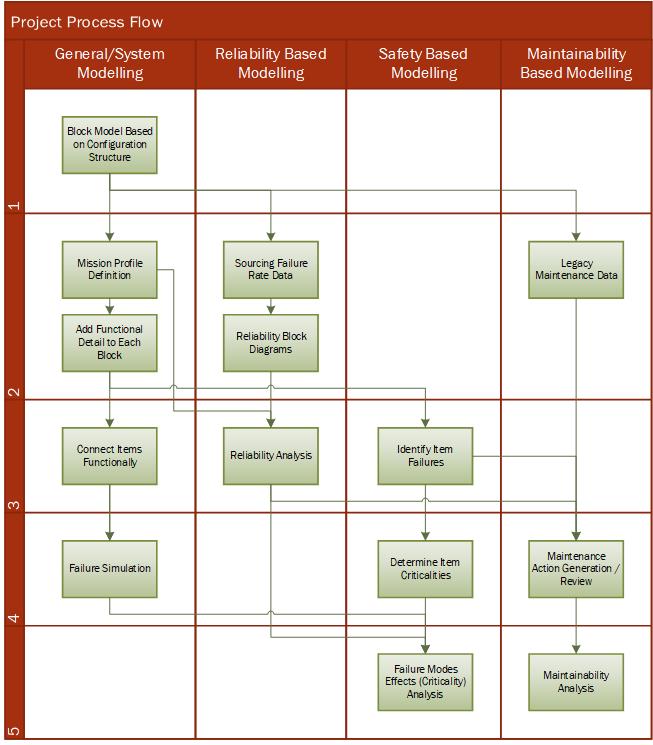
There is no single model that answers every engineering question. Functional, logical, reliability, safety, mission and maintenance views each serve a different purpose, while sharing system structure and engineering data.
Think of MADE as a connected set of model perspectives: common data is governed once, then applied through the analysis view best suited to the decision.
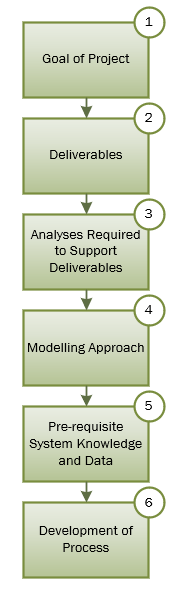
A repeatable sequence
Move from organisational need to modelling activity.
- Define the project goalState why a model-based approach is being used and which decision or risk it must improve.
- Agree the deliverablesIdentify the reports, evidence, calculations or decision artefacts required by stakeholders and standards.
- Select the supporting analysesChoose the analysis pathways that can produce the required evidence.
- Set the modelling approachDefine the model views, level of detail, boundaries and configuration assumptions.
- Identify prerequisite dataConfirm what system knowledge, reliability data, mission context and domain expertise are required.
- Define the delivery processSequence modelling, analysis, review, verification and change control activities.
Make the work actionable
What a useful modelling plan contains.
The plan does not need to be complex. It needs to tell the team what work matters, who owns it and how the work fits together.
Tasks
The modelling and analysis activities required to produce each agreed output.
Roles
The people or workstreams responsible for source data, modelling, analysis and acceptance.
Sequence
The order that preserves shared data, reduces rework and enables early verification.
From plan to capability
Build the right model for the decisions ahead.
PHM Technology can help scope a model-based RAMS approach around your system, evidence requirements and lifecycle priorities.