
Digital Twin.
A digital twin is a virtual representation that serves as the real-time digital counterpart of a physical object or process. Though the concept originated earlier the first practical definition of digital twin originated from NASA in an attempt to improve physical model simulation of spacecraft in 2010.
Digital Twin
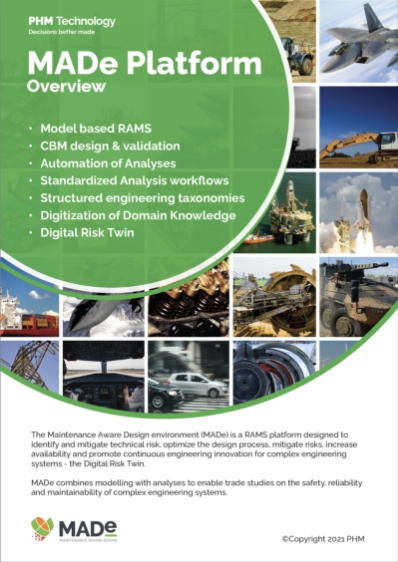
Model-based RAMS is here
Designing a system with Safety and Reliability defined and calculated in a Digital Risk Twin helps you understand exactly what happens when things fail, so you can reduce discovery time trying to establish why it has failed. Feed this information back to your ‘designers’ for better iterative products and reduced/better maintenance.
Some MADe platform users






Reduce downtime
Understand real-world reliability of components and systems.
Manual reliability analyses is limited, the MADe Platform calculates accurate reliability of the system to reduce downtime and maintenance cost utilising the Digital Risk Twin to simulate and calculate reliability requirement for new components.
Smarter Design workflow
Instant Design changes and iterations
Multi-user access, track changes and assign confidence using annotations. Create revisions and iterations simply and easily. Improve the way you create trade studies with the the use of model-based simulation and achieve automated generation of analyses for technical validation.
Work from anywhere
Distributed RAMS design environment – WFH
Whether it be the restrictions of pandemics, the desire to work remotely or the a design team located around the globe. The MADe Platform enables all RAMS departments to work in cohesion on a single model. MADe can ensure the continuity of your project with its remote working architecture, reducing project uncertainty and minimising project downtime.


Simulate every failure
The MADe Platform uses a Digital Risk Twin (DRT) to simulate every possible failure based on the physics of failure and generate complete analyses for Reliability, Availability, Maintainability and Safety taking into consideration factors in real word scenarios including Environmental Impact, Mission profiles and Operation modes.
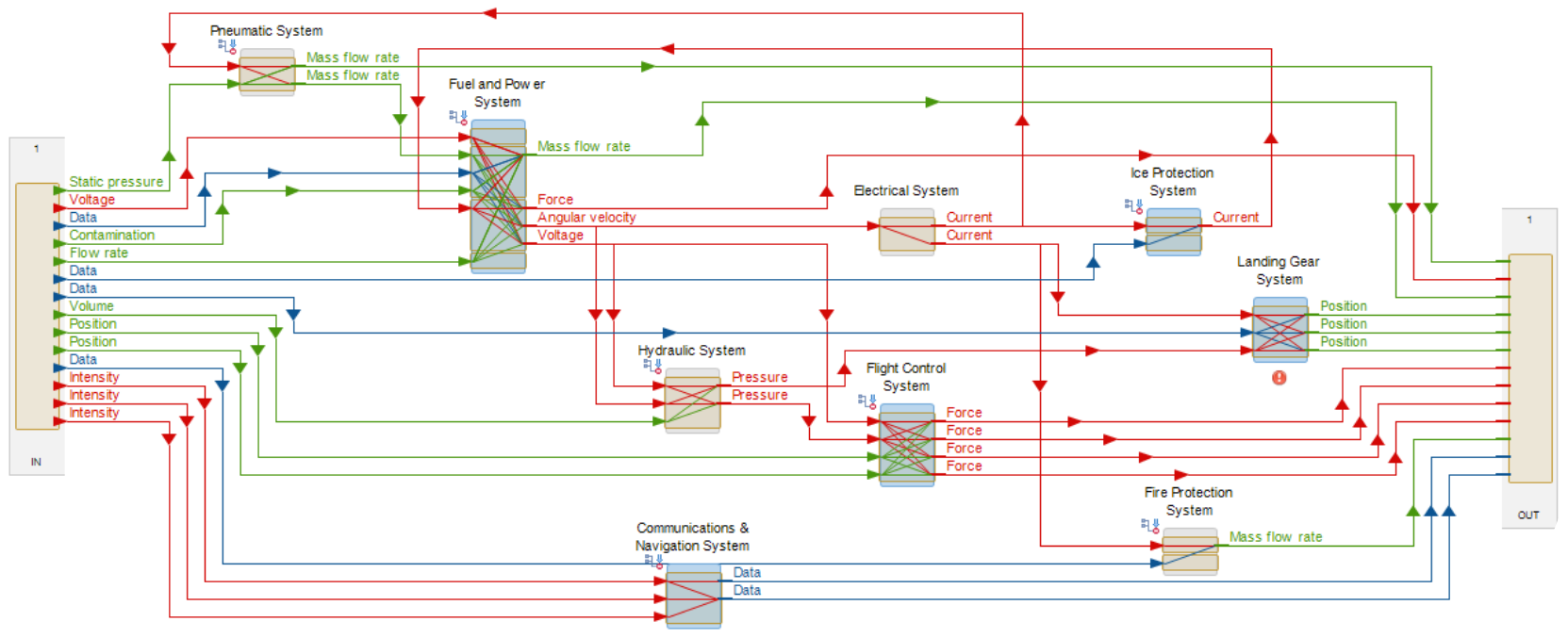
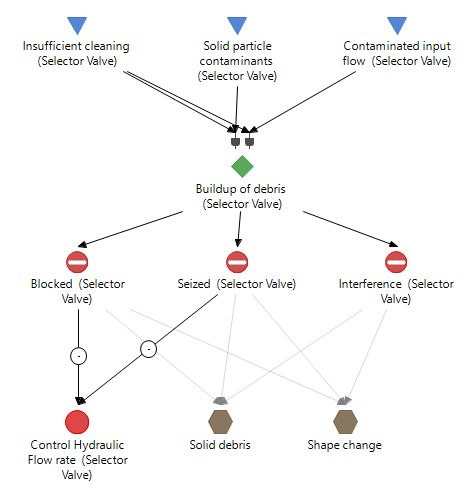 Failure Diagram
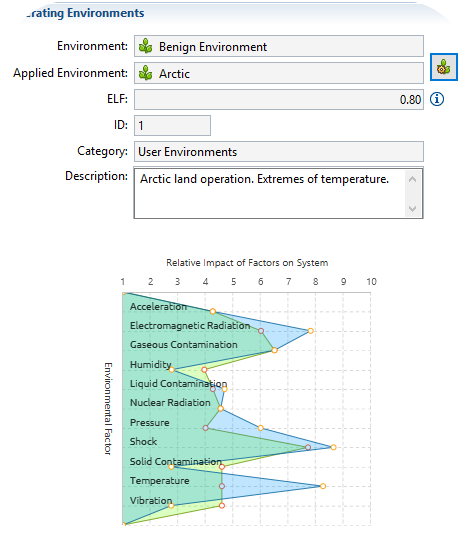 Operating Environment
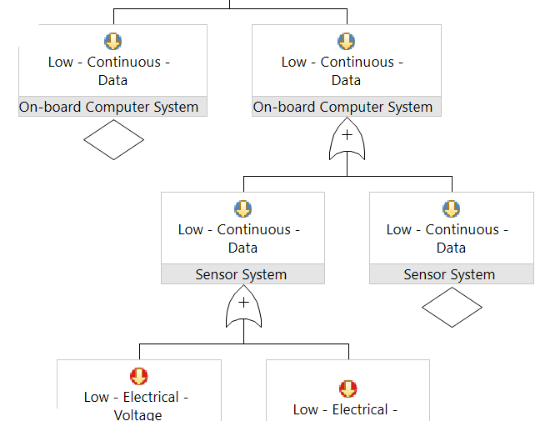 Fault Tree Analyses
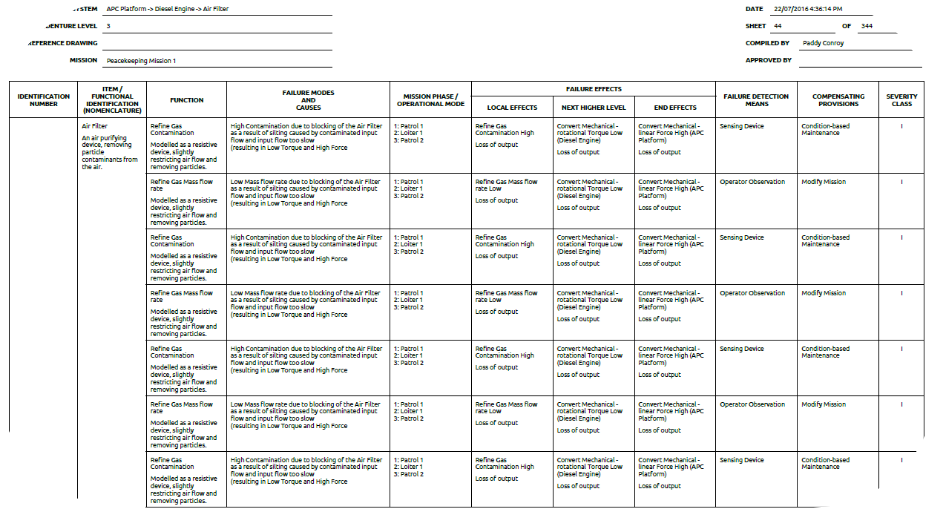 FMEA/FMECA
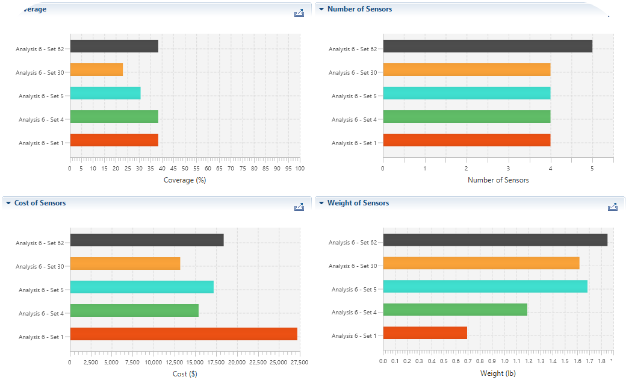 Sensor Set Analyses
MADe Modules and Analyses
MADe platform generates analyses based on the simulated Digital Risk Twin (DRT).
MADe Platform
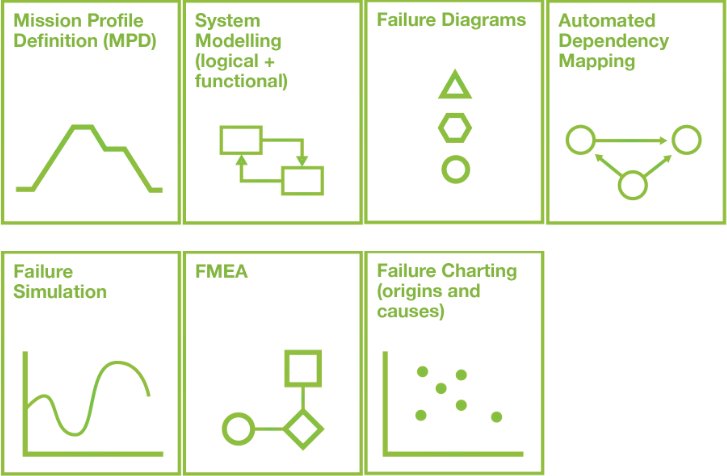
The system, how it interacts (Automated Dependency Mapping) and its operating context (Mission Profile Definition and Environment), functional capabilities (Functional Diagram),and failures (Failure Diagram) are represented within the MADe Platform module.
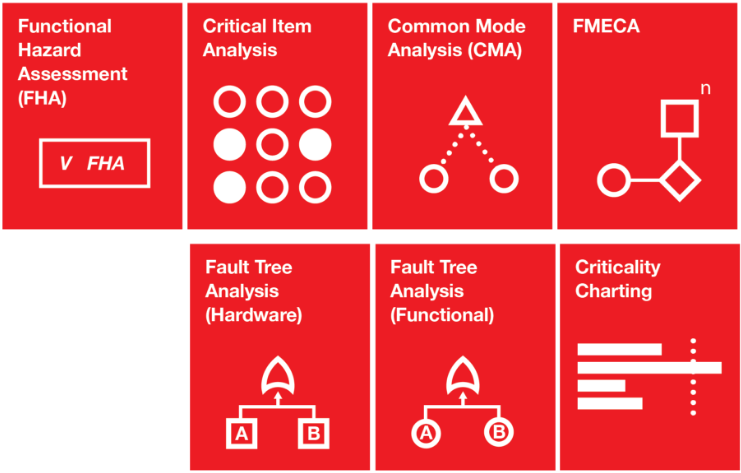
MADe Safety and Risk Assessment (SRA)
The SRA module allows the generation of a series of processes and analytical outputs addressing risk from a variety of viewpoints whilst maintaining the coherent framework of data as developed and coordinated in the MADe model.
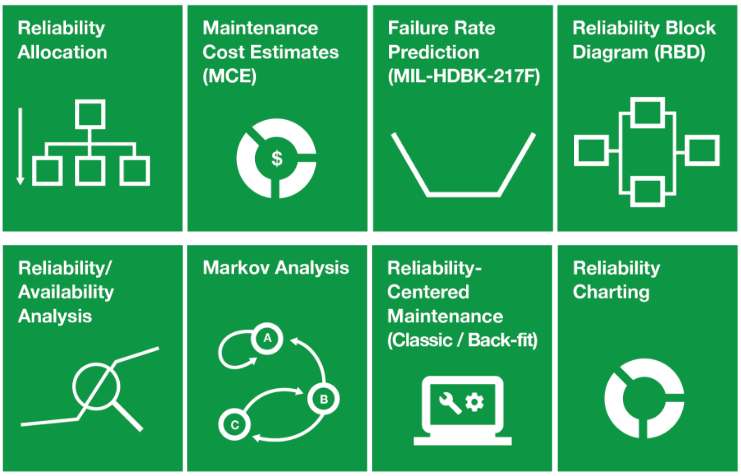
MADe Reliability, Availability, and Maintainability (RAM)
MADe Reliability, Availability & Maintainability (RAM) module is used to assess when failures in a system are expected to occur, how best to mitigate their risk, and how this will impact system cost, safety and availability.
MADe Prognostics and Health Management (PHM)
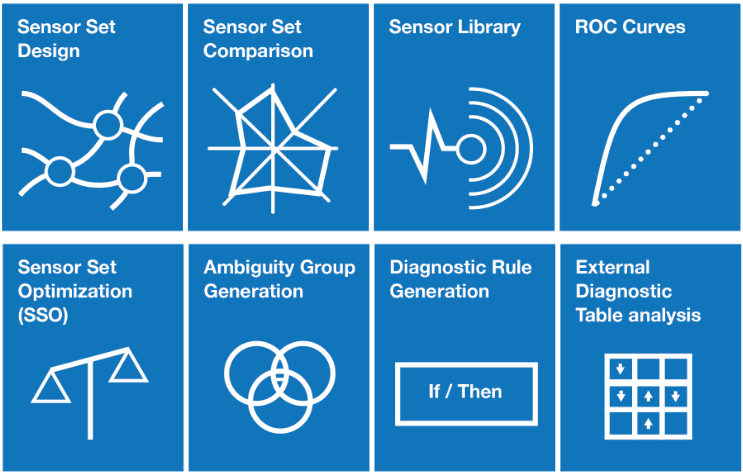
The PHM module is used to design/validate the diagnostic requirements for Condition Based Maintenance (CBM) of complex systems in an integrated analysis solution.
MADe PHM outputs an optimal set of sensor locations, a set of physical sensor hardware decisions, and diagnostic rules describing how those sensors will be utilized in operation.

Read how NASA implements Model-based RAMS
Topic: Reliability Analysis of complex NASA Systems with Model-Based Engineering
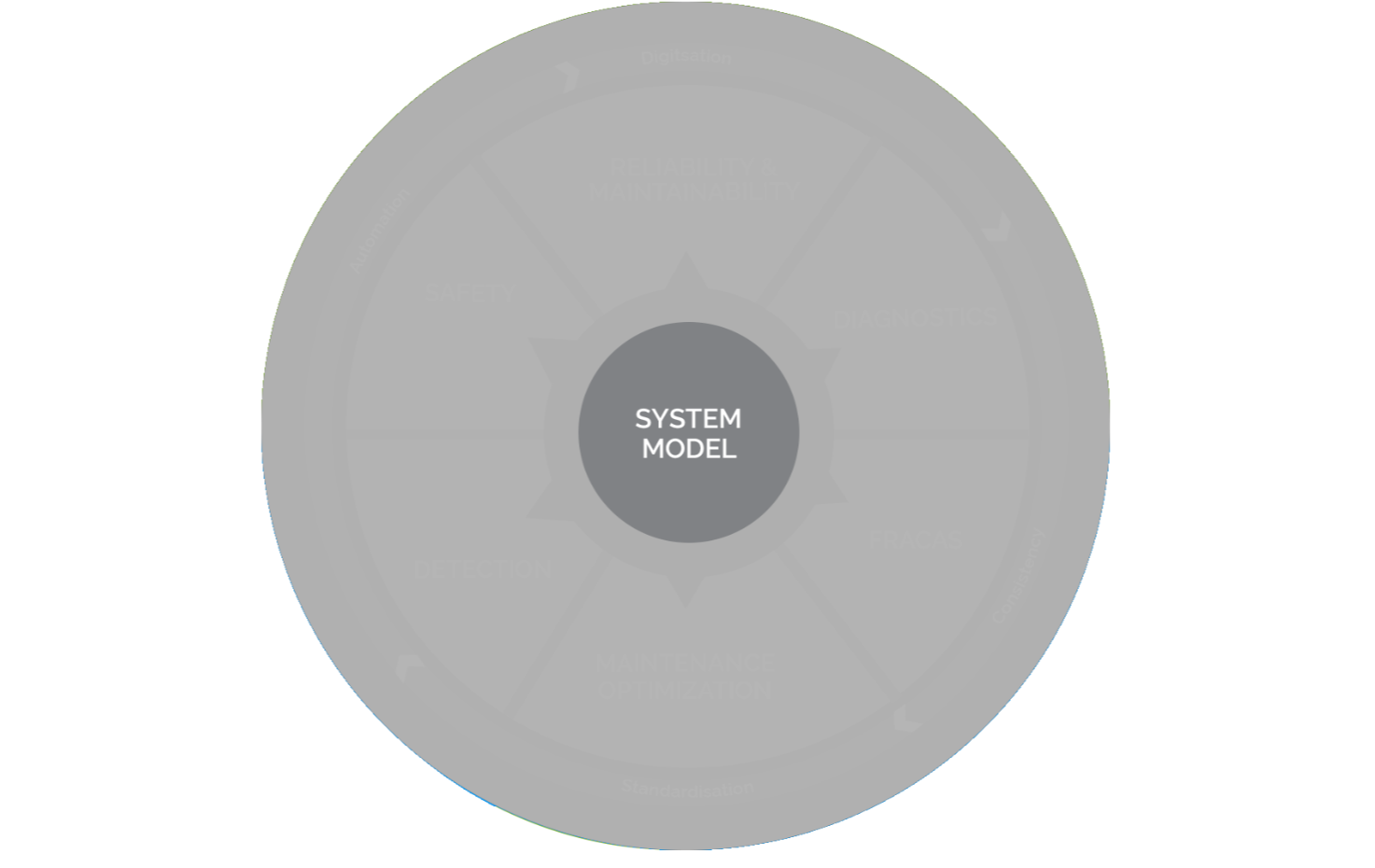
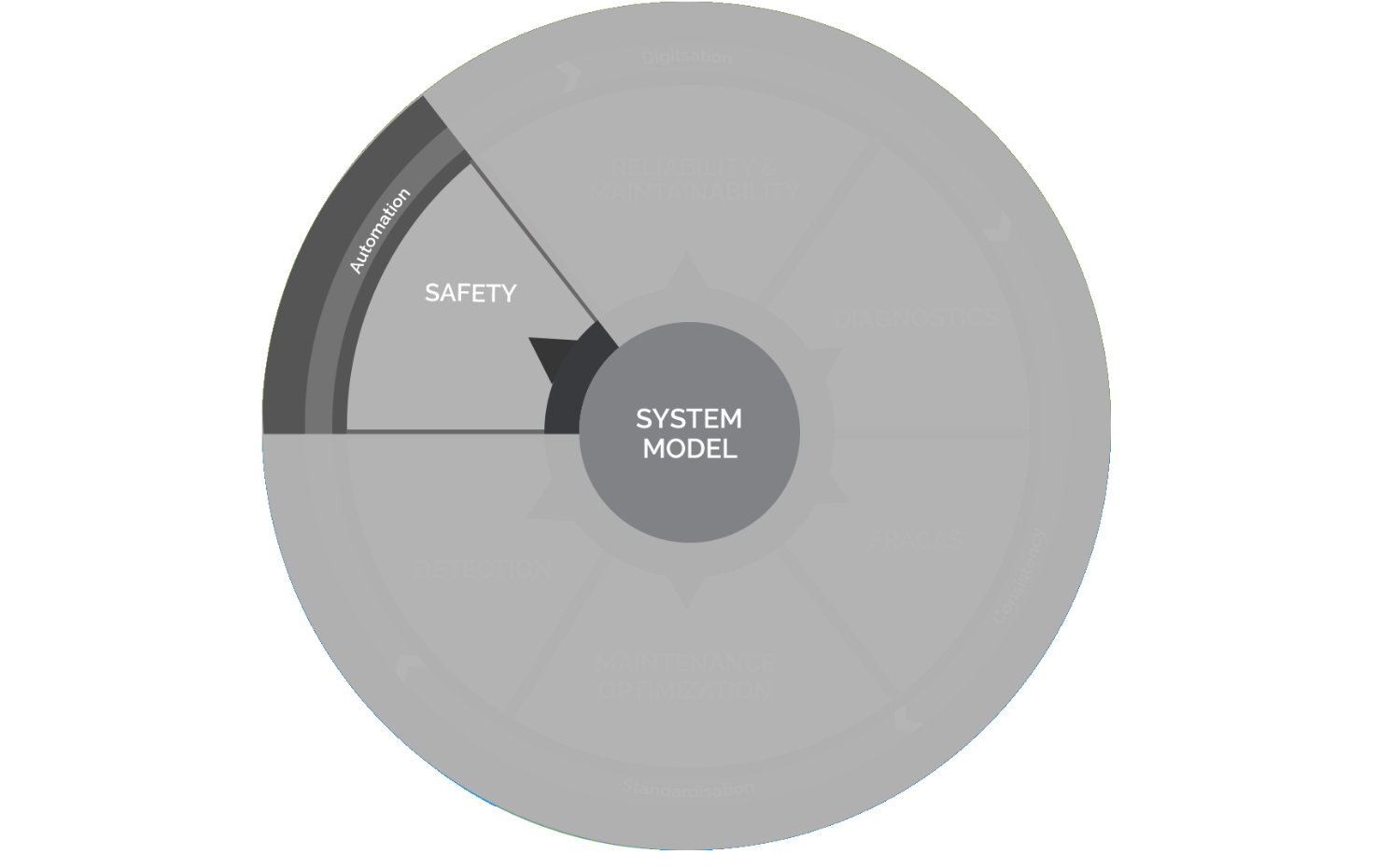
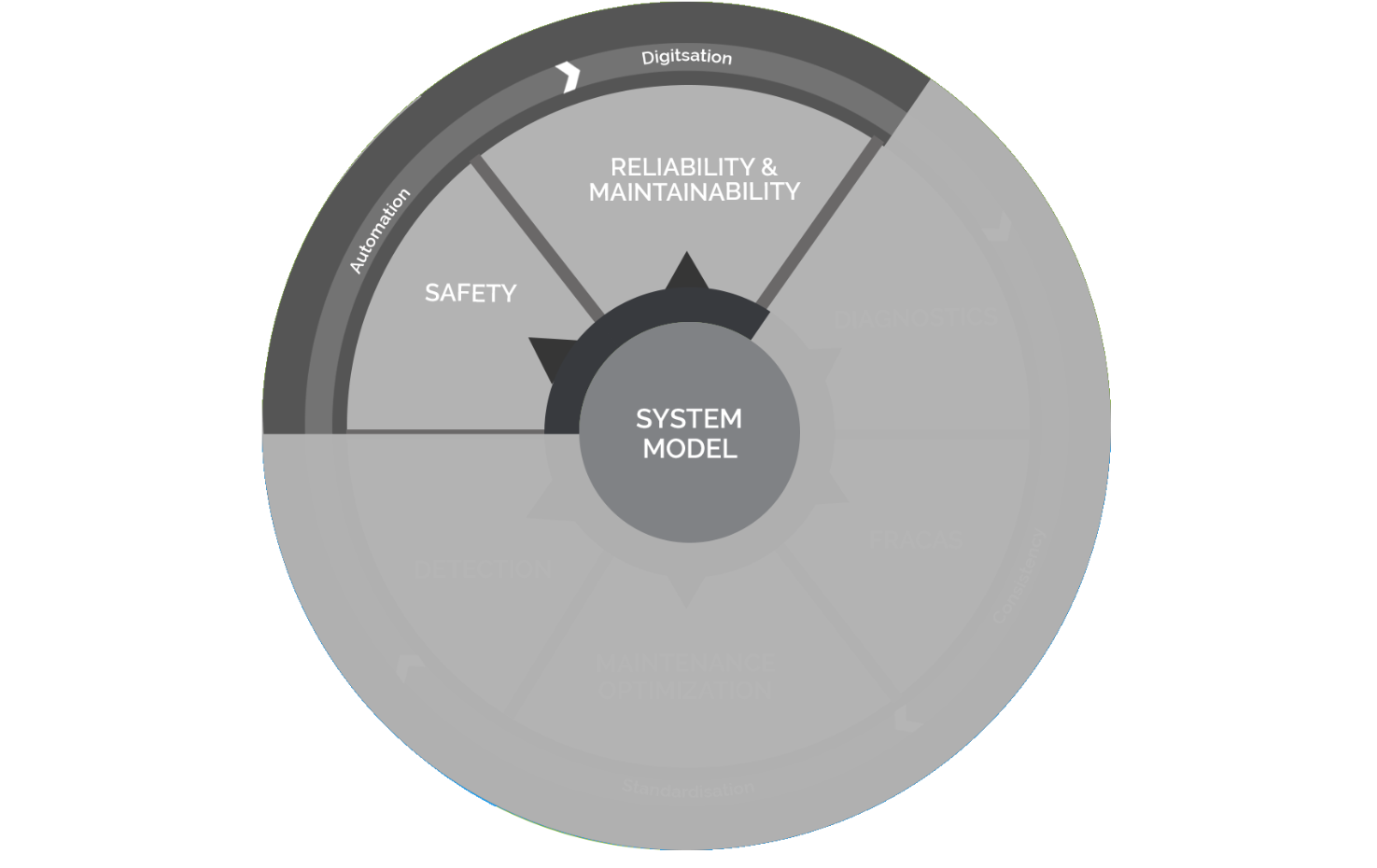
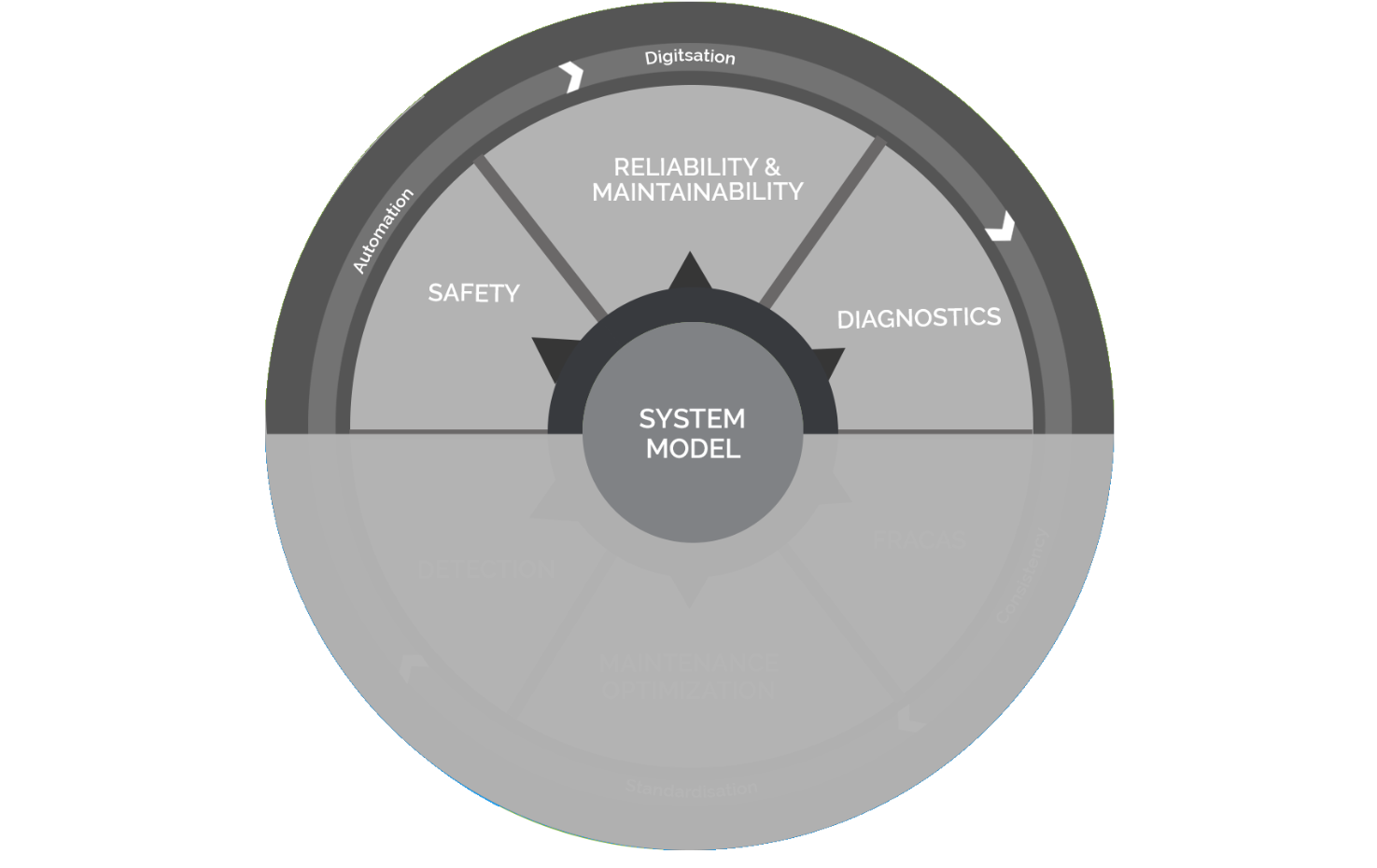
PHM is the complete Design 4.x solution
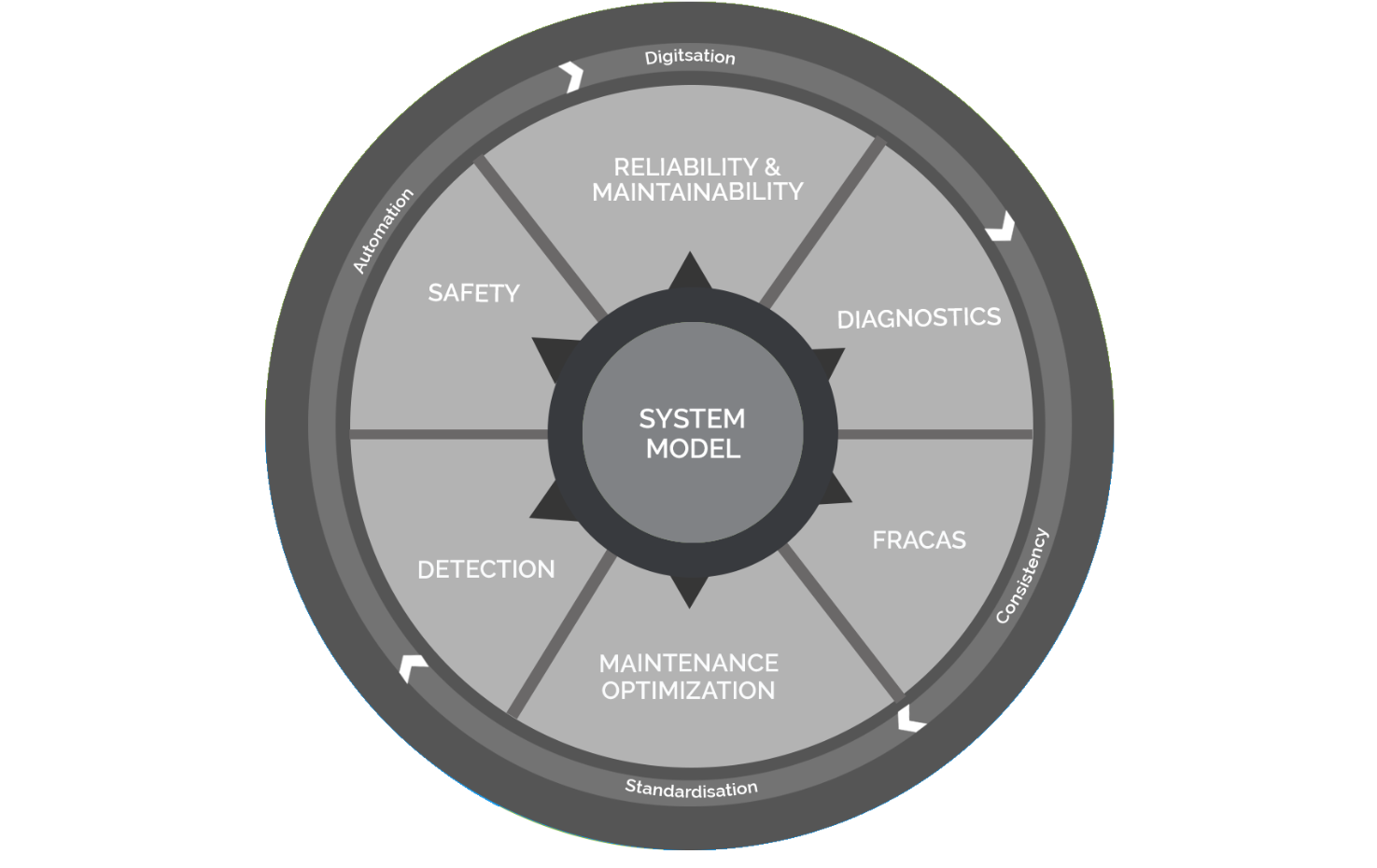
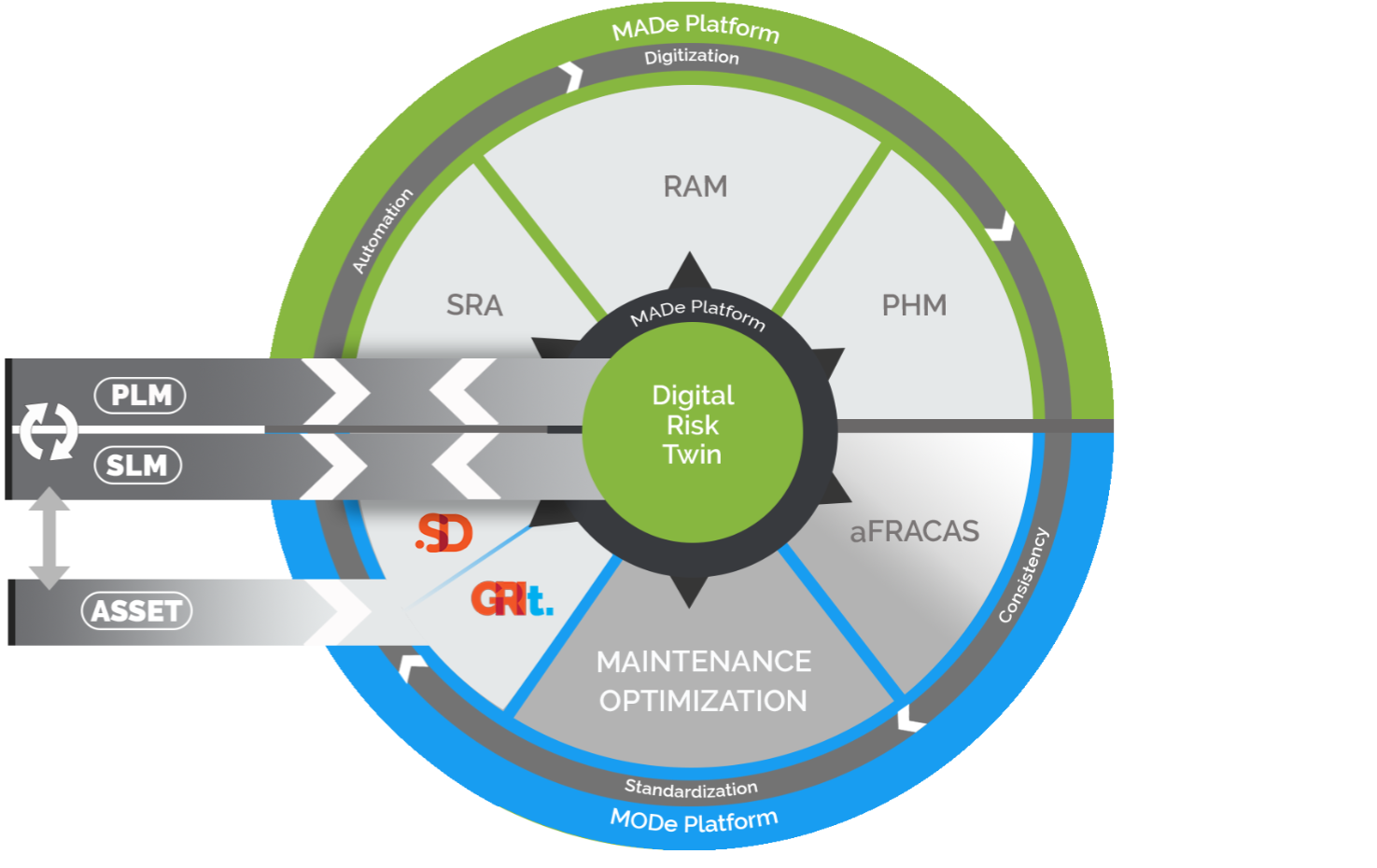
With the complete PHM Technology ecosystem your team has the power to consider Reliability, Accessibility and Maintenance in the design phase of any complex engineering systems. This approach improves the reliability of an asset and optimises the maintenance requirement, reducing the operational cost significantly.
The digitization process of the Digital Risk Twin captures the RAMs project knowledge and integrates this into an autonomous FRACAS moving your organisational towards a true industry 4.x outcome. Unveil our full ecosystem components and how they fit into your industry 4.x future. Click and start your journey.





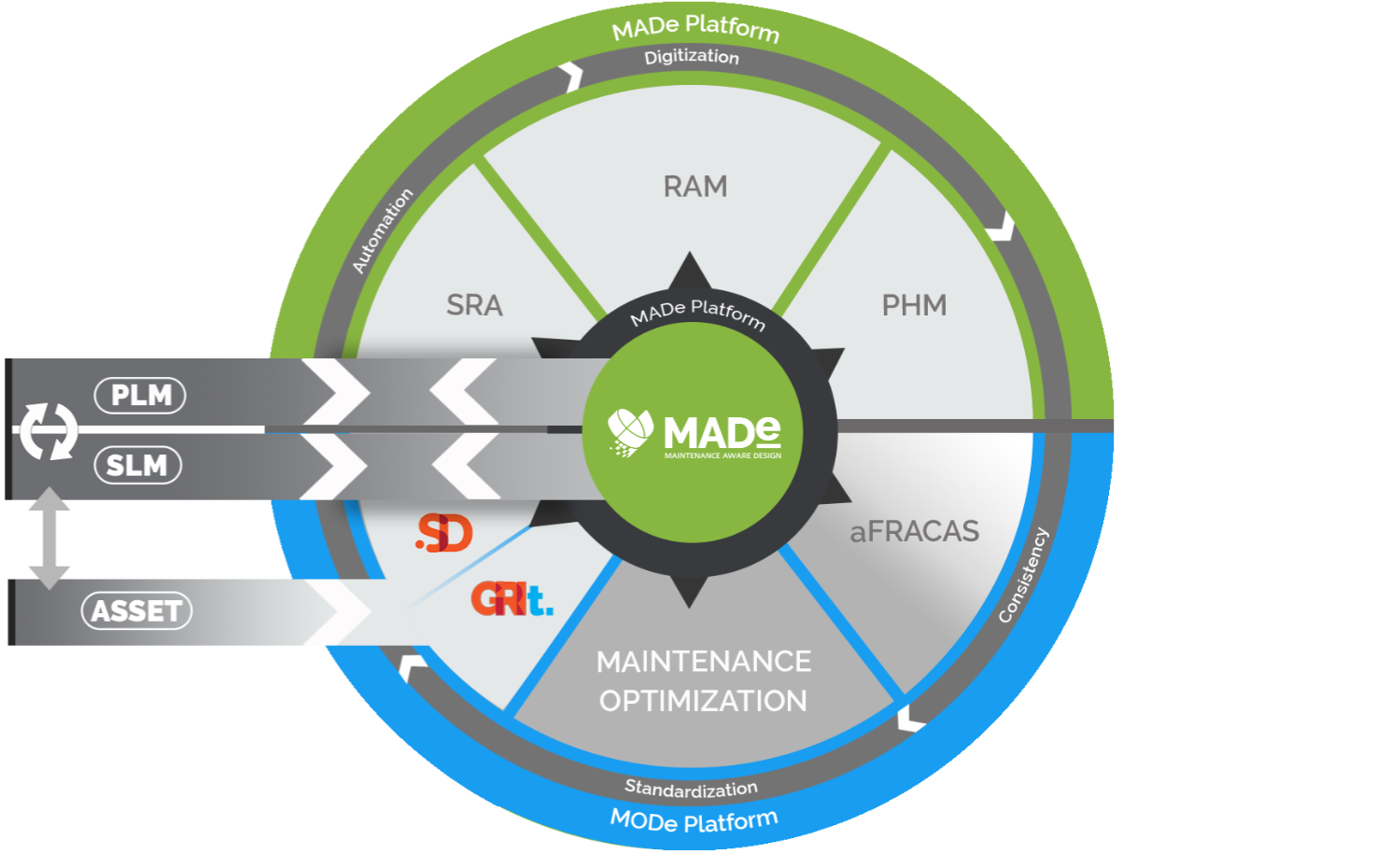
Learn about the PHM Ecosystem
Contact us for a Demonstration Today!