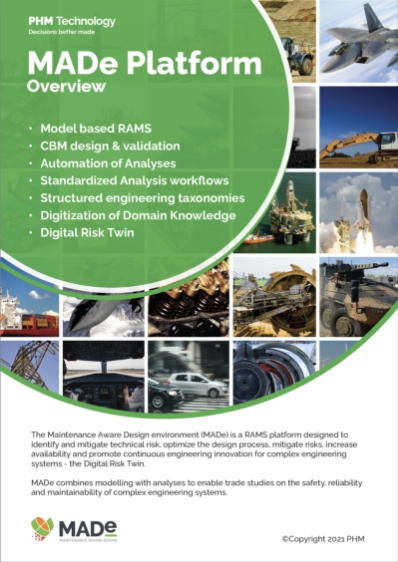

Imagine Generating an FMEA in One Click
You will experience improved consistency & failure analysis effectiveness with MADe’s Model-based approach to RAMS analyses.
Model-based vs Manual FMEAs
Generate, Don’t Author Your FMEAs
The systems-driven approach to design and increasing complexity of equipment makes the traditional manual approach to failure identification and analysis difficult to conduct or validate – which in turn makes it difficult to accurately and consistently perform FMEAs using the traditional ‘brainstorming’ process. These problems are compounded by the requirement to update the FMEA as engineering changes are proposed during the design lifecycle.
- Consistent & repeatable analysis from a system model.
- Generated ‘on-demand’ & determine the impact of changes.
- Consistent with international standards/guidelines (MIL, SAE, ISO)
Join these leading companies who use MADe for their RAMS analyses.







There is More to MADe than Automated FMEAs.
Automated workflow
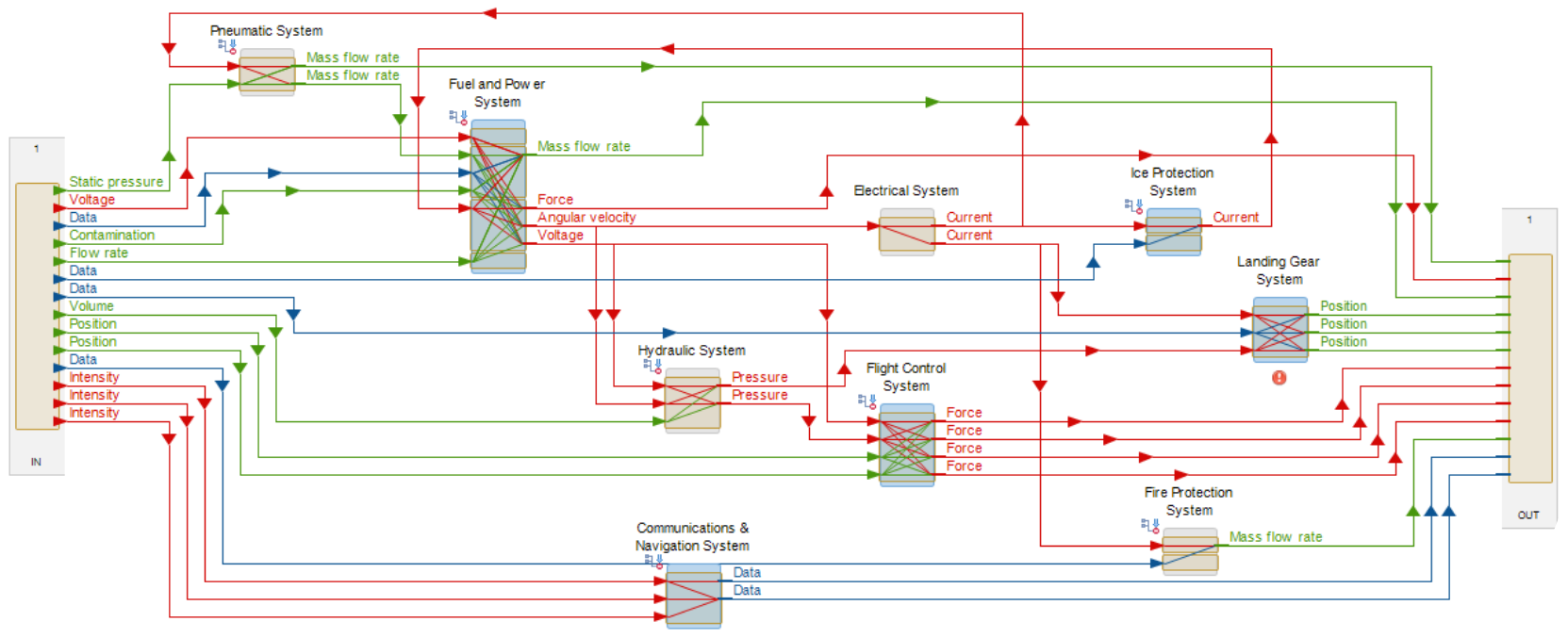
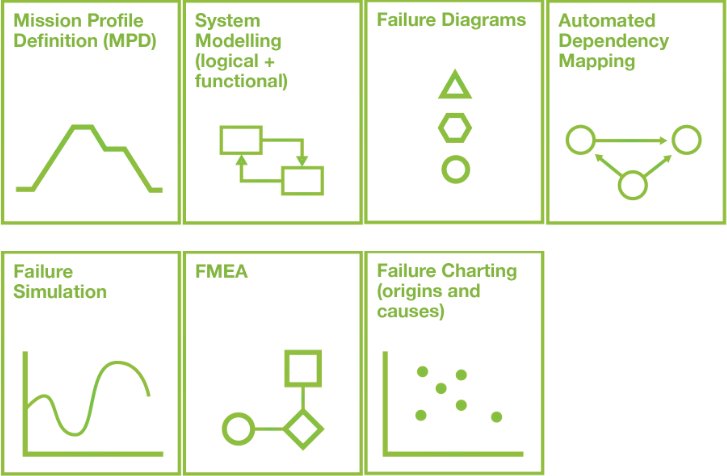
Automated Dependency Mapping
MADe platform can map all functional dependencies between every subsystem, part and component in the system model automatically. This gives us an objective basis to generate comprihensive FMEAs/FMECAs.
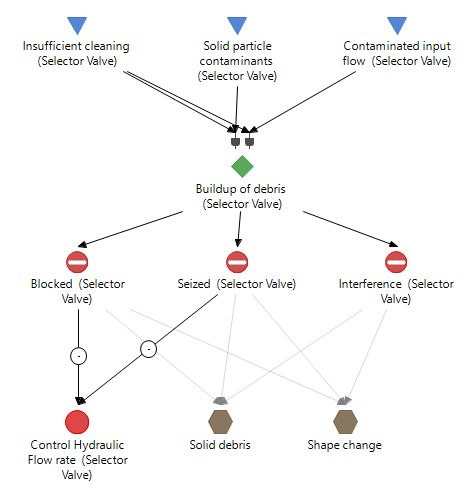
Failure Diagram
Failure causes, Detection methods and Compensating provisions.
MADe Failure Diagrams use a graphical interface to represent the physical processes which can lead to an item’s failure (cause, mechanism, fault, symptom) and how these can propagate throughout the system. Thus improving the quality of FMEAs/FMECAs, leading to better decisions on how to mitigate these potential risks.
Standardise your workflow
Uniform taxonomy
MADe presents verified and robust engineering taxonomies for the purposes of failure analysis, system modelling, logging mission and environment variables, and maintenance reporting and diagnostics. Users can focus on completing meaningful analyses to support engineering decision-making rather than deliberating on the semantics of terminology or worse, producing ambiguous content for the target audience.
Learn more about the MADe Platform


Simulate every failure
The MADe Platform uses a Digital Risk Twin (DRT) to simulate every possible failure based on the physics of failure and generate complete analyses for Reliability, Availability, Maintainability and Safety taking into consideration factors in real world scenarios including Environmental Impact, Mission profiles and Operation modes.
 Failure Diagram
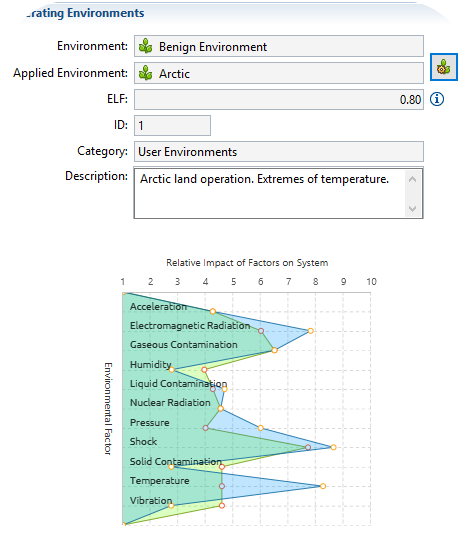 Operating Environment
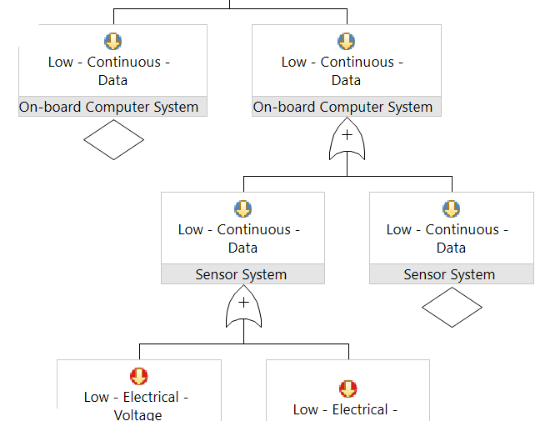 Fault Tree Analyses
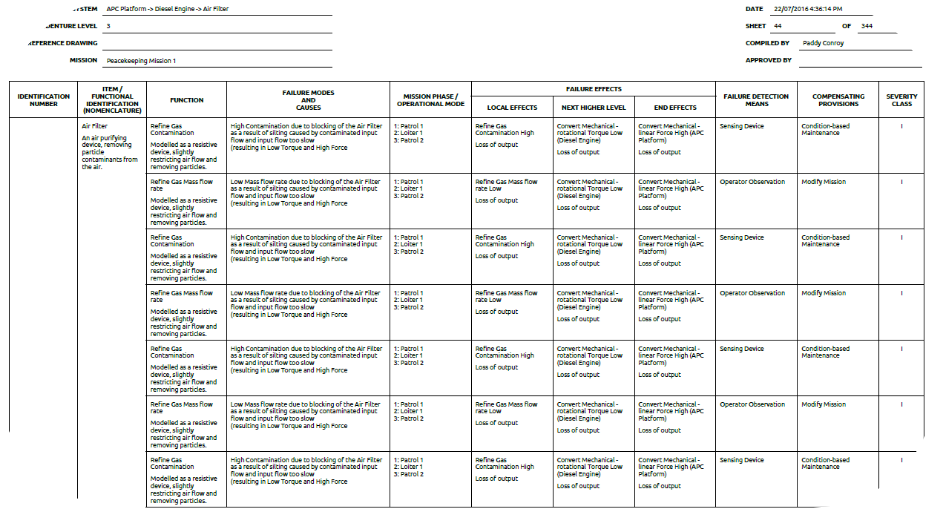 FMEA/FMECA
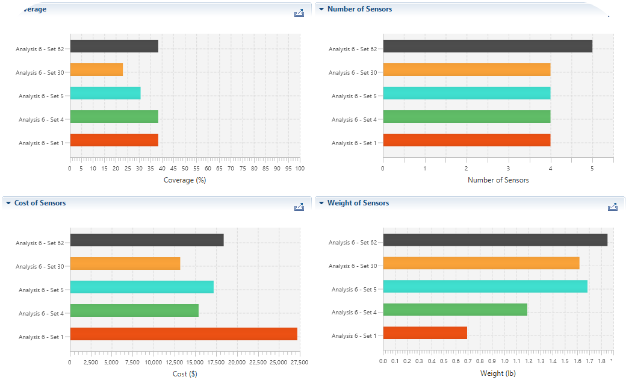 Sensor Set Analyses
MADe Modules and Analyses
MADe platform generates analyses based on the simulated Digital Risk Twin (DRT).
MADe Platform
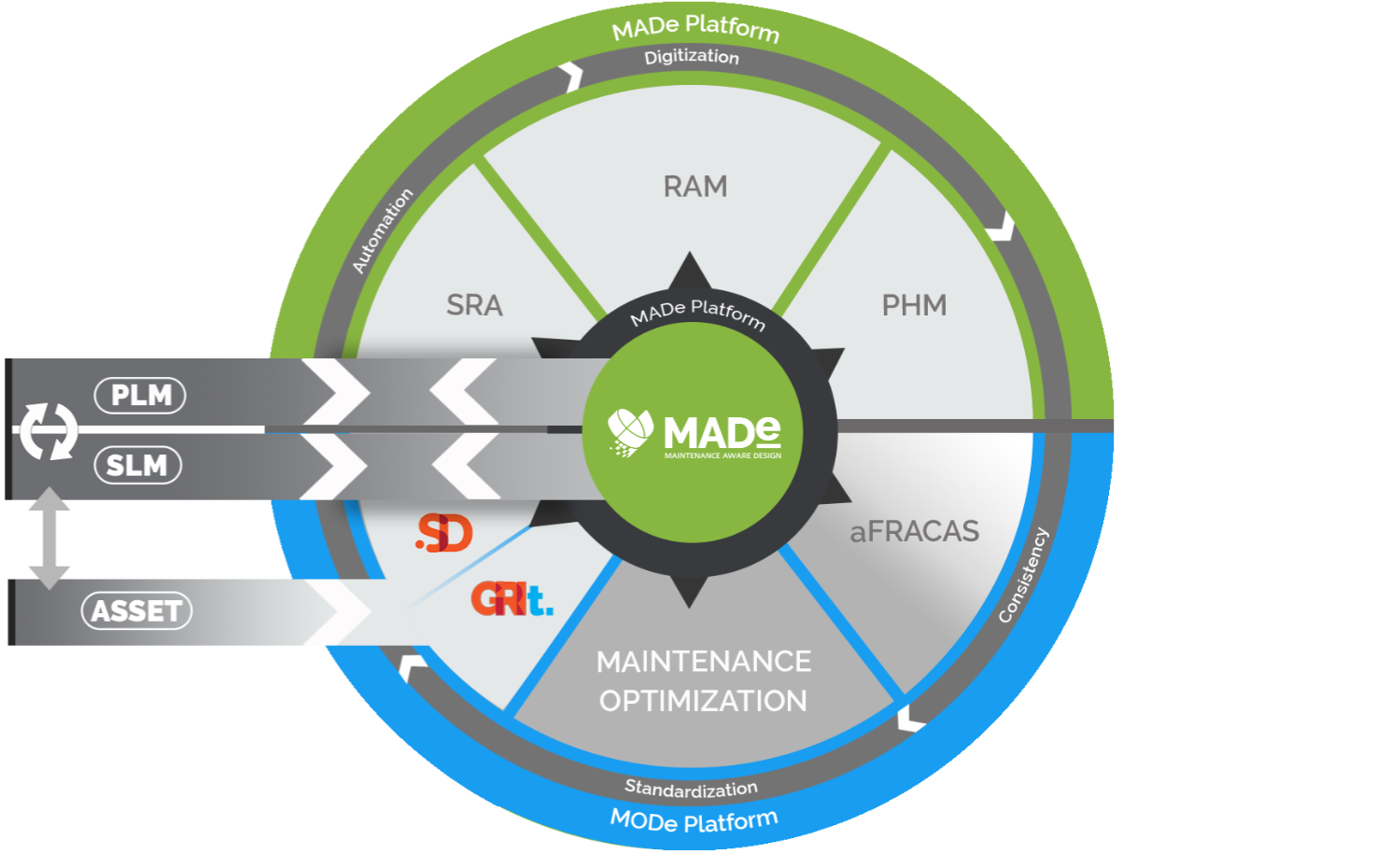
The system, how it interacts (Automated Dependency Mapping) and its operating context (Mission Profile Definition and Environment), functional capabilities (Functional Diagram),and failures (Failure Diagram) are represented within the MADe Platform module.
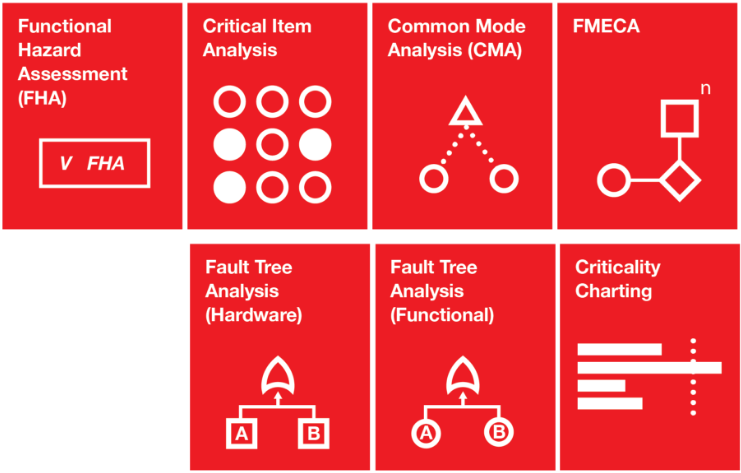
MADe Safety and Risk Assessment (SRA)
The SRA module allows the generation of a series of processes and analytical outputs addressing risk from a variety of viewpoints whilst maintaining the coherent framework of data as developed and coordinated in the MADe model.
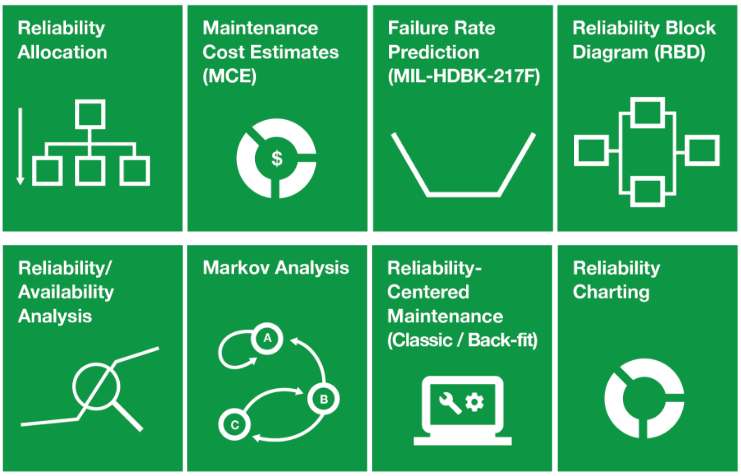
MADe Reliability, Availability, and Maintainability (RAM)
MADe Reliability, Availability & Maintainability (RAM) module is used to assess when failures in a system are expected to occur, how best to mitigate their risk, and how this will impact system cost, safety and availability.
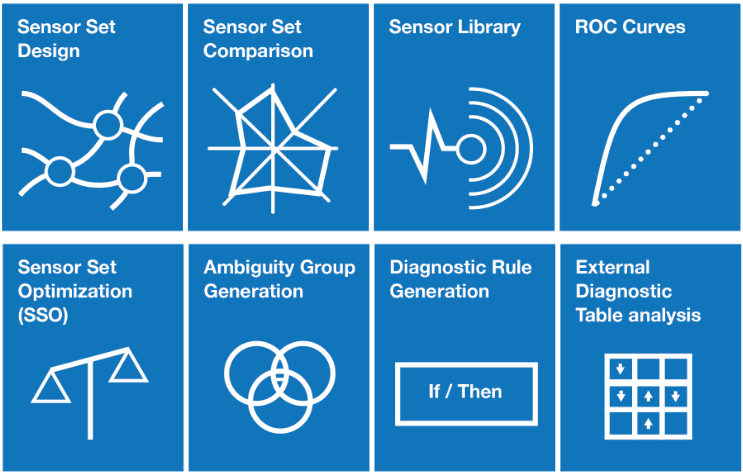
MADe Prognostics and Health Management (PHM)
The PHM module is used to design/validate the diagnostic requirements for Condition Based Maintenance (CBM) of complex systems in an integrated analysis solution.
MADe PHM outputs an optimal set of sensor locations, a set of physical sensor hardware decisions, and diagnostic rules describing how those sensors will be utilized in operation.

Speak the language of FMEA
Whitepaper: The language of FMEA: on the effective use and reuse of FMEA data
PHM is a complete Design 4.x solution
With the complete PHM Technology ecosystem your team has the power to consider Reliability, Accessibility and Maintenance in the design phase of any complex engineering systems. This approach improves the reliability of an asset and optimises the maintenance requirement, reducing the operational cost significantly.
The digitization process of the Digital Risk Twin captures the RAMs project knowledge and integrates this into an autonomous FRACAS moving your organisational towards a true industry 4.x outcome. Unveil our full ecosystem components and how they fit into your industry 4.x future. Click and start your journey.








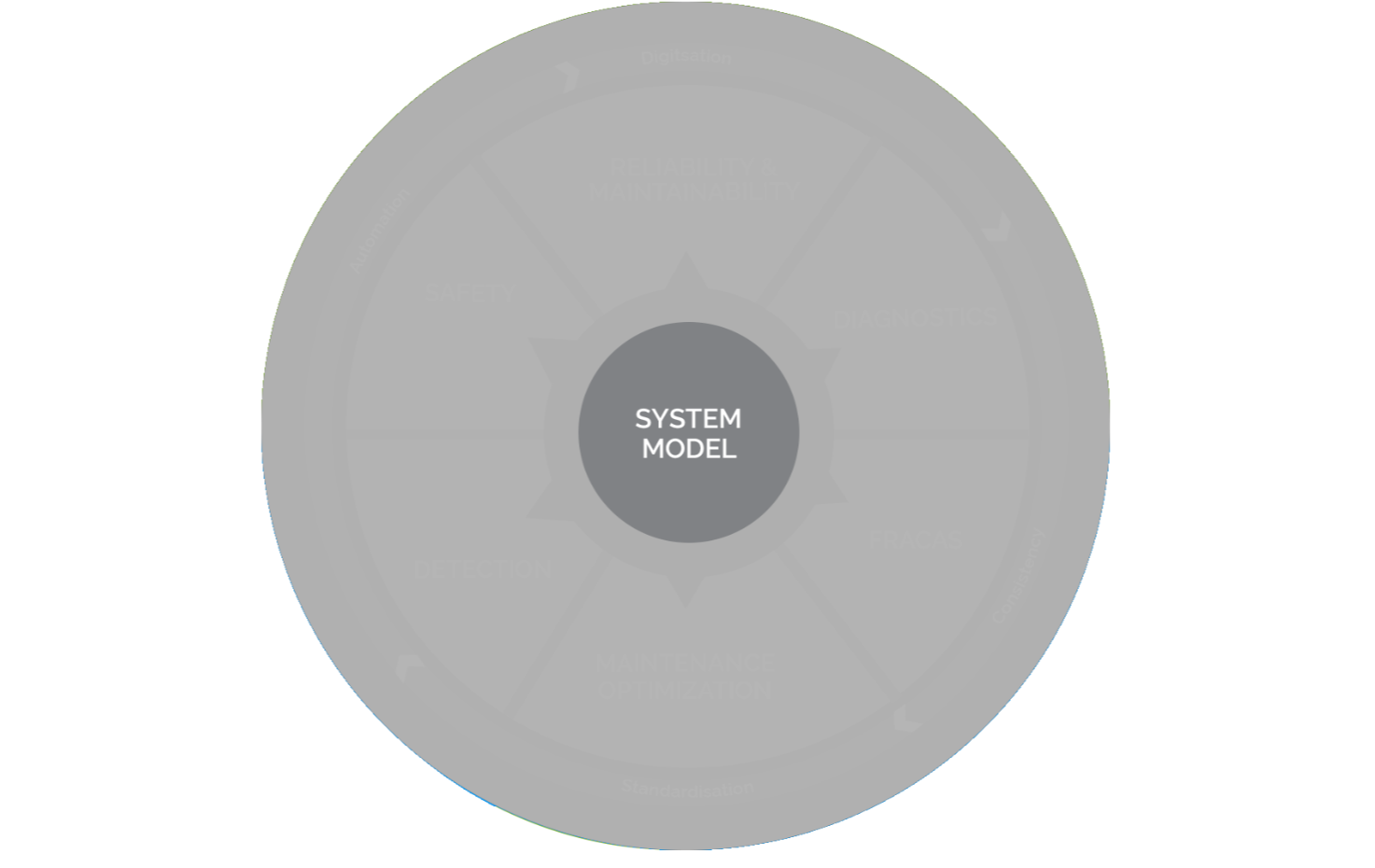
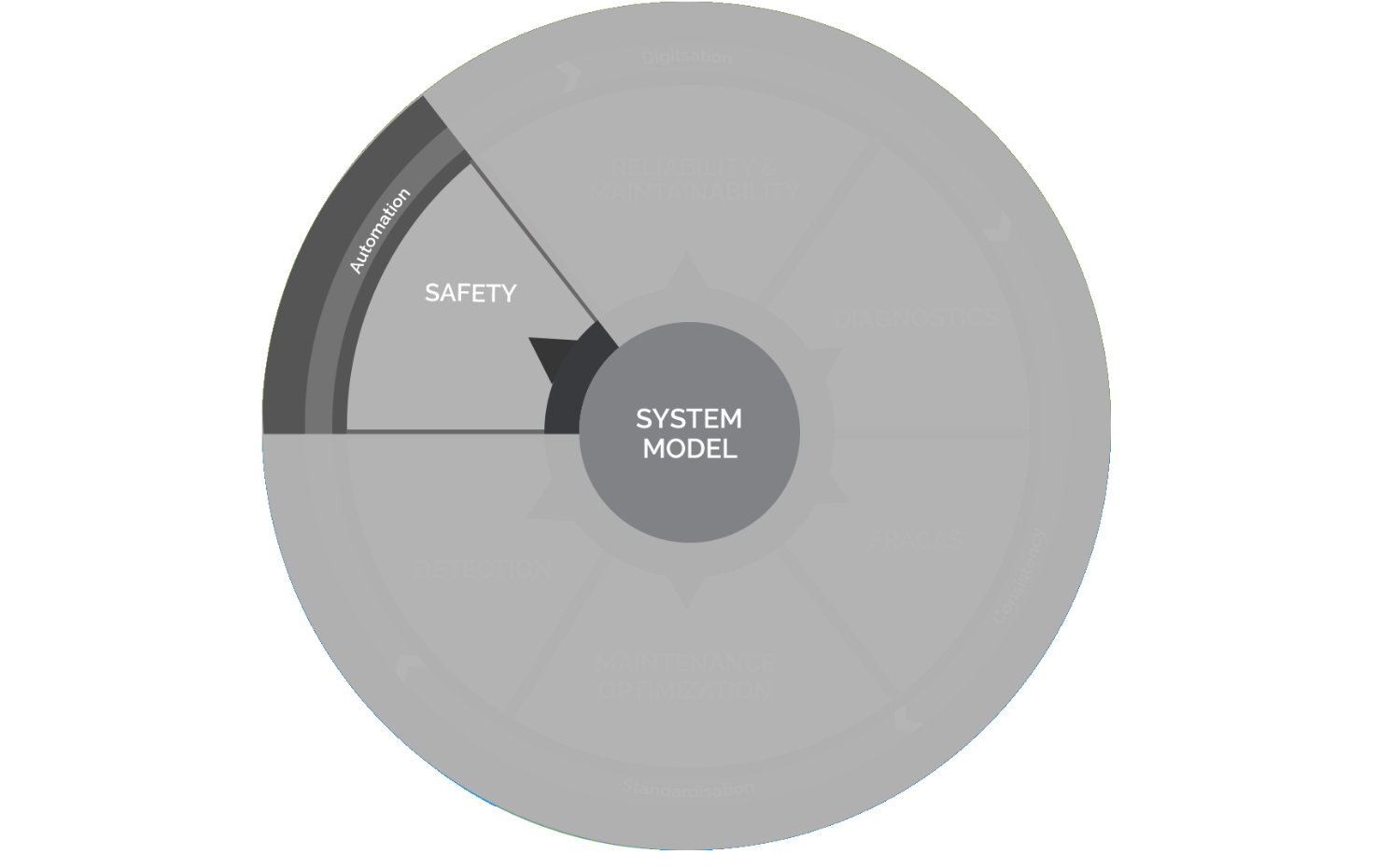
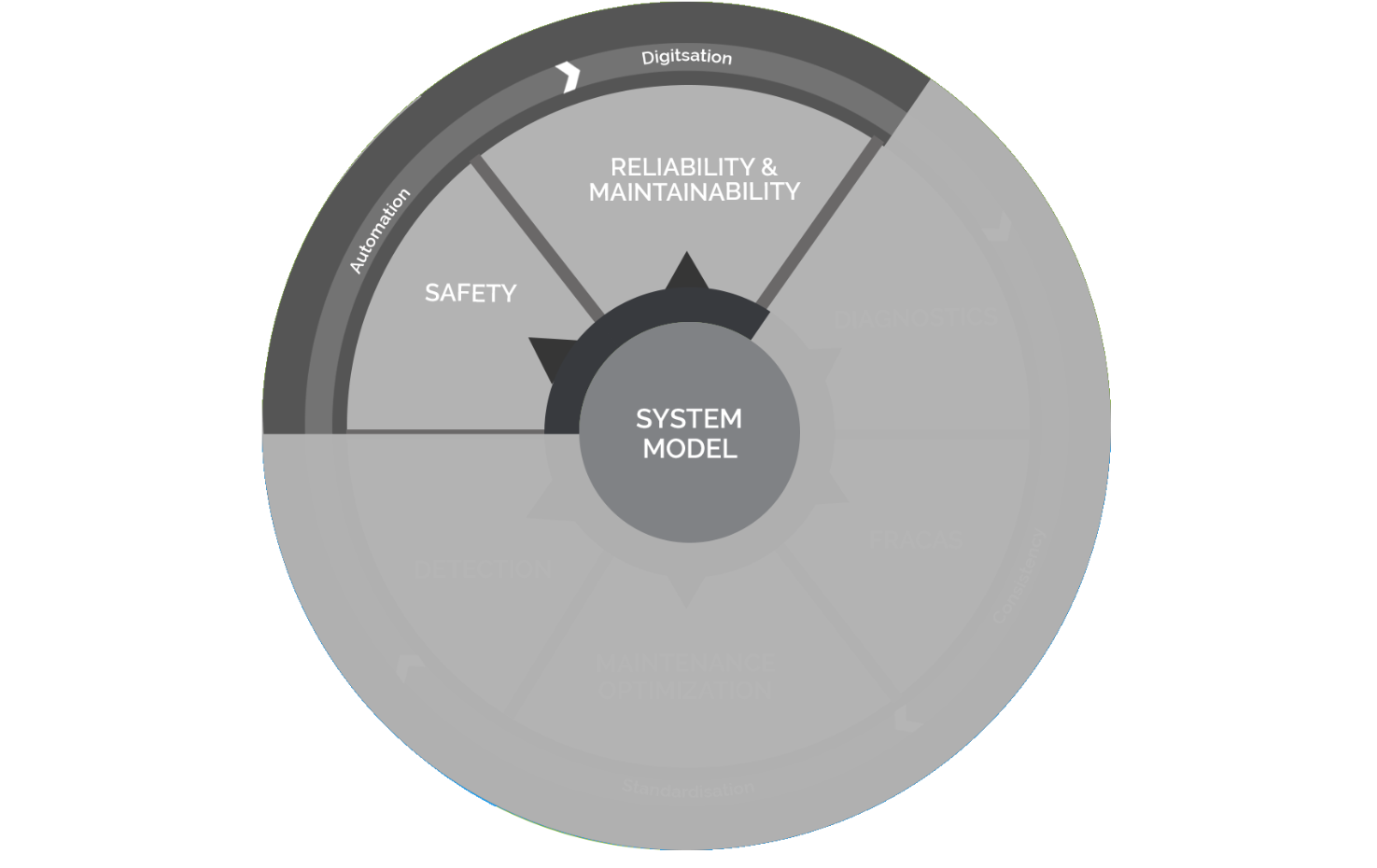
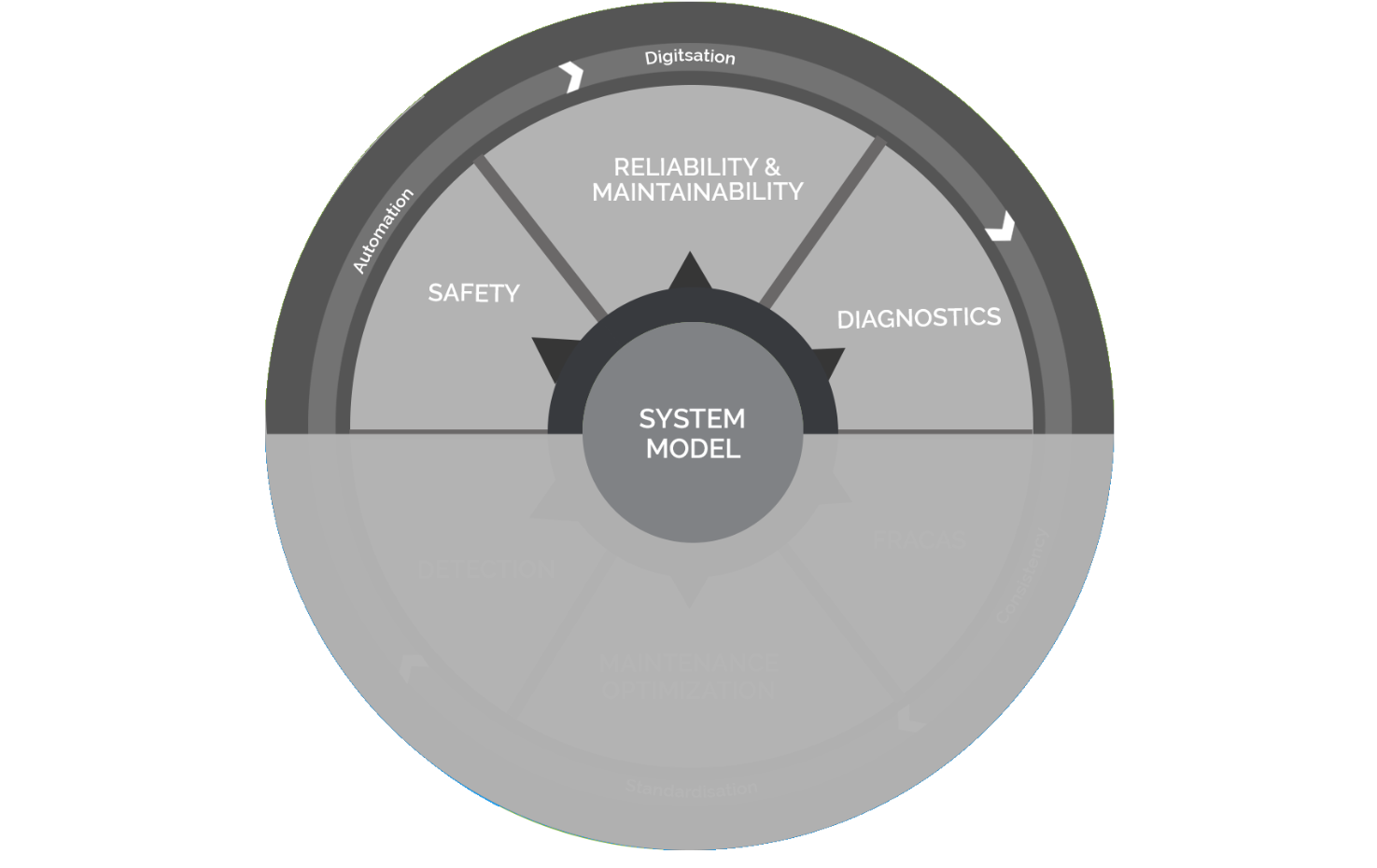
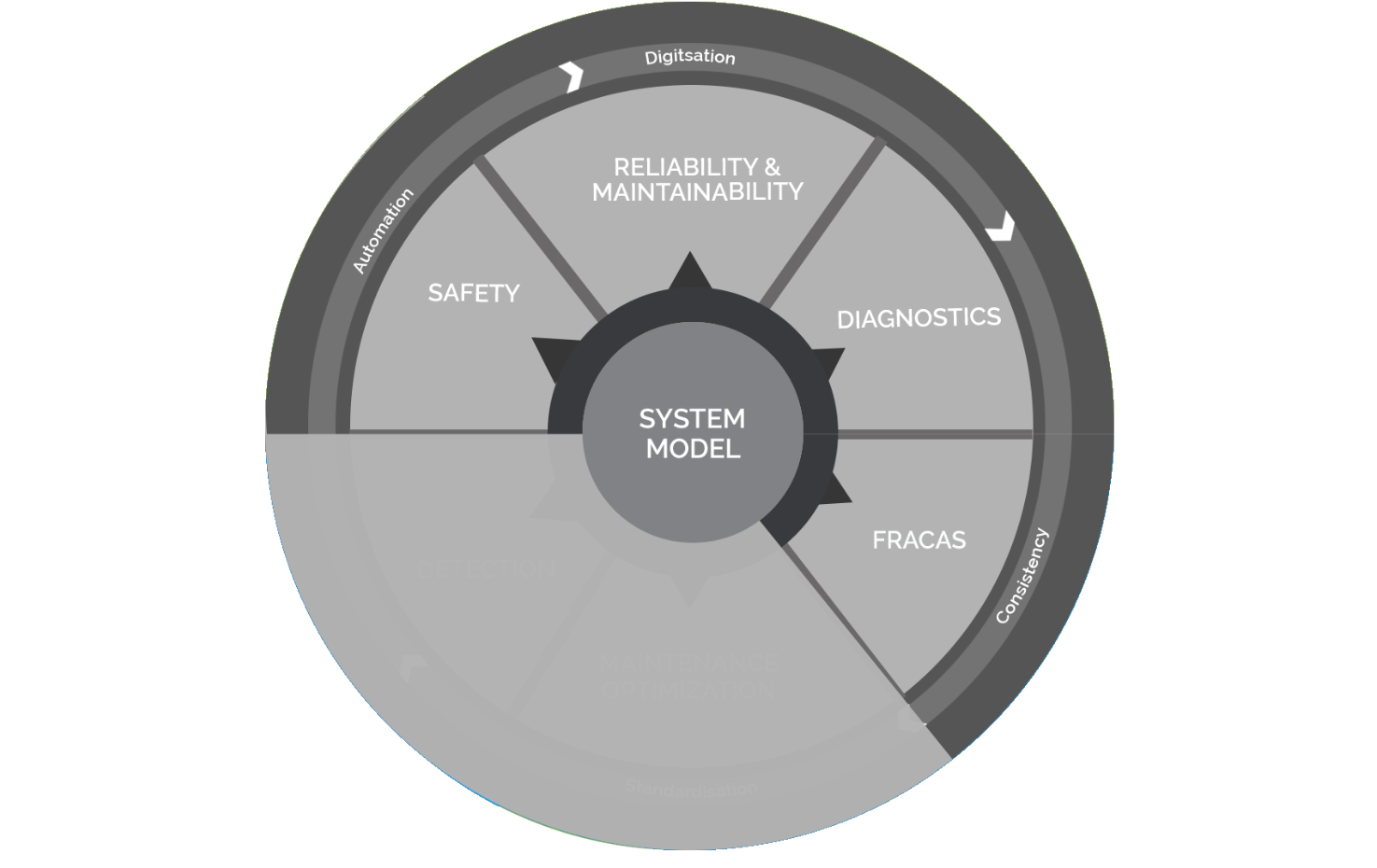
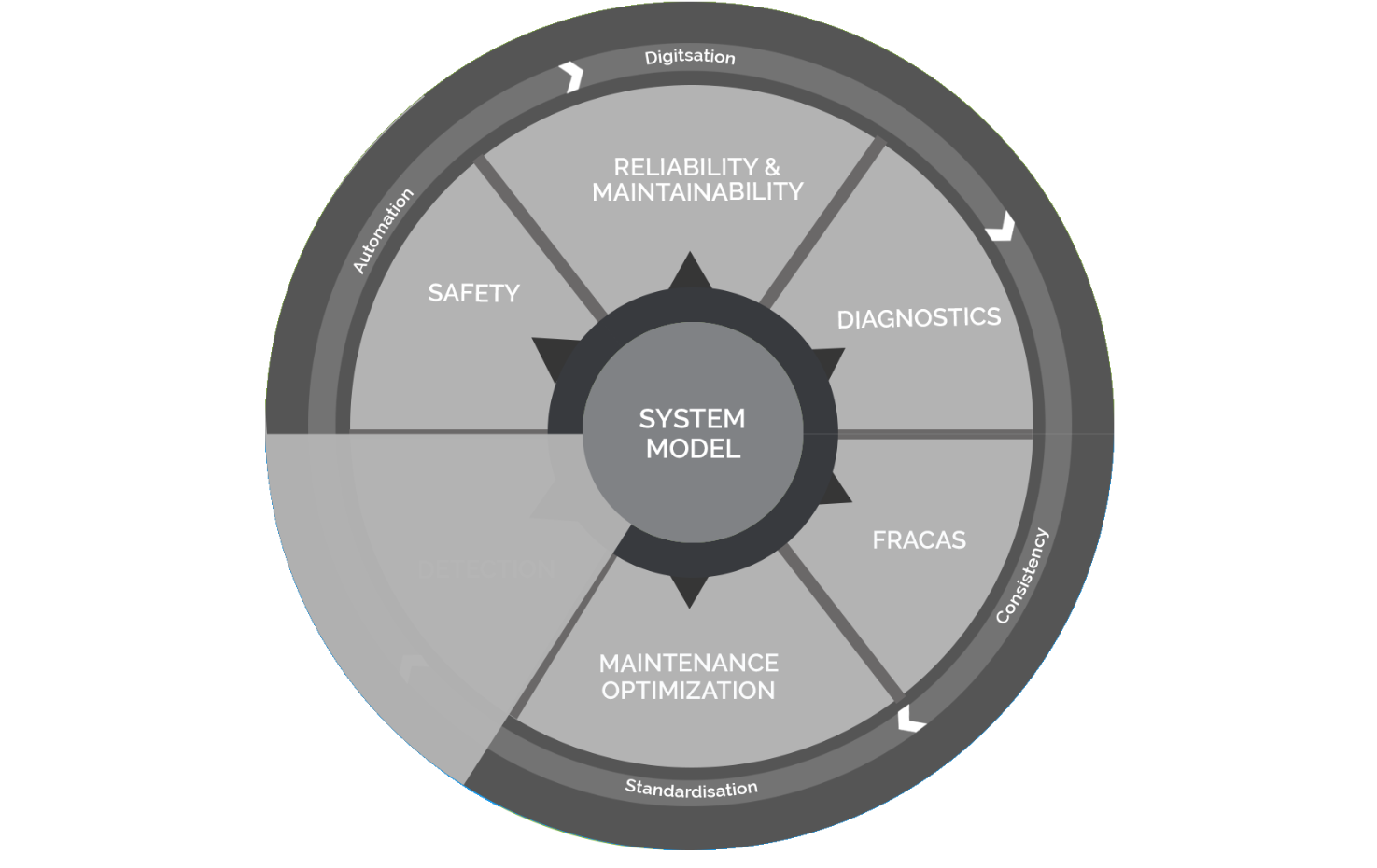
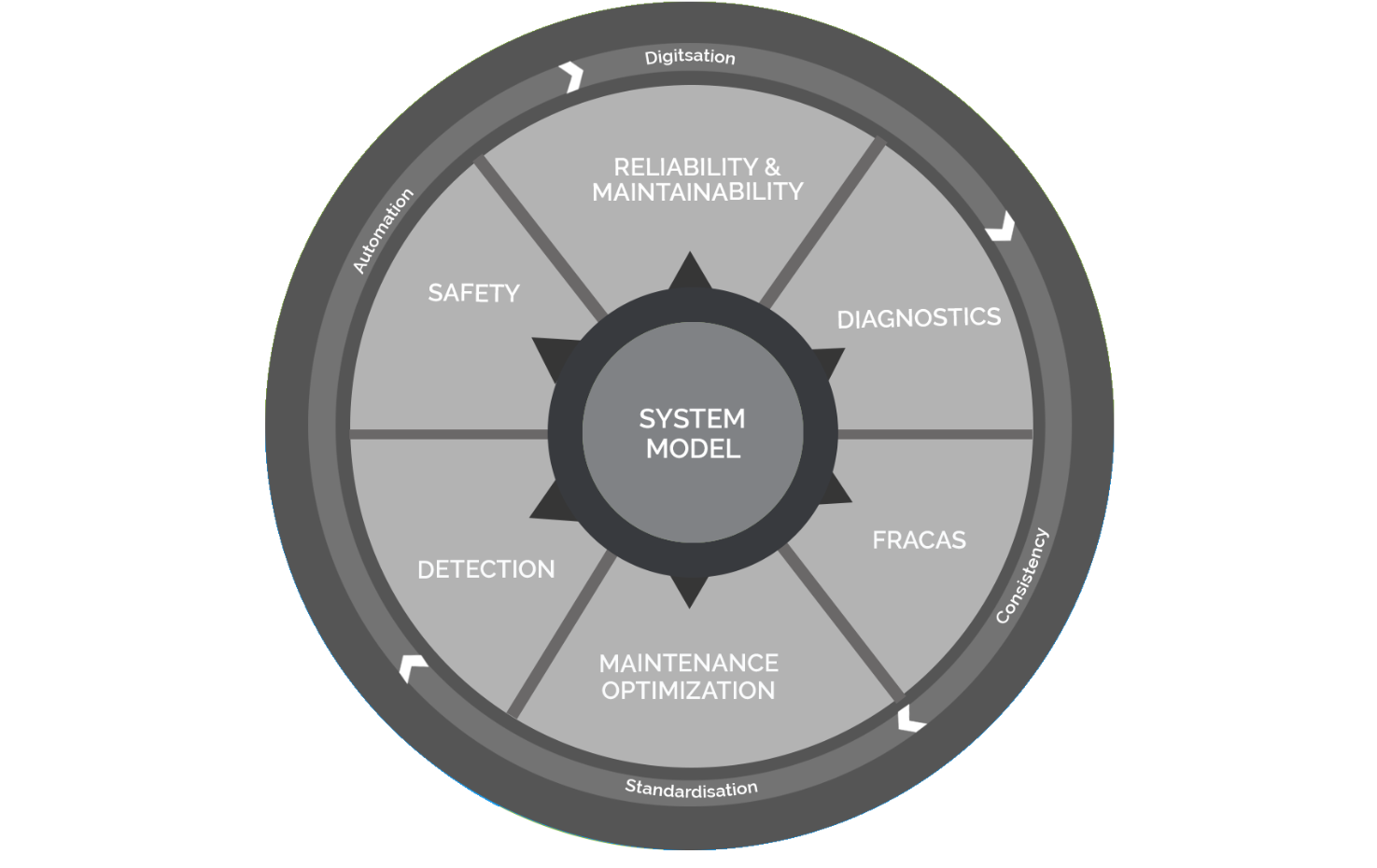
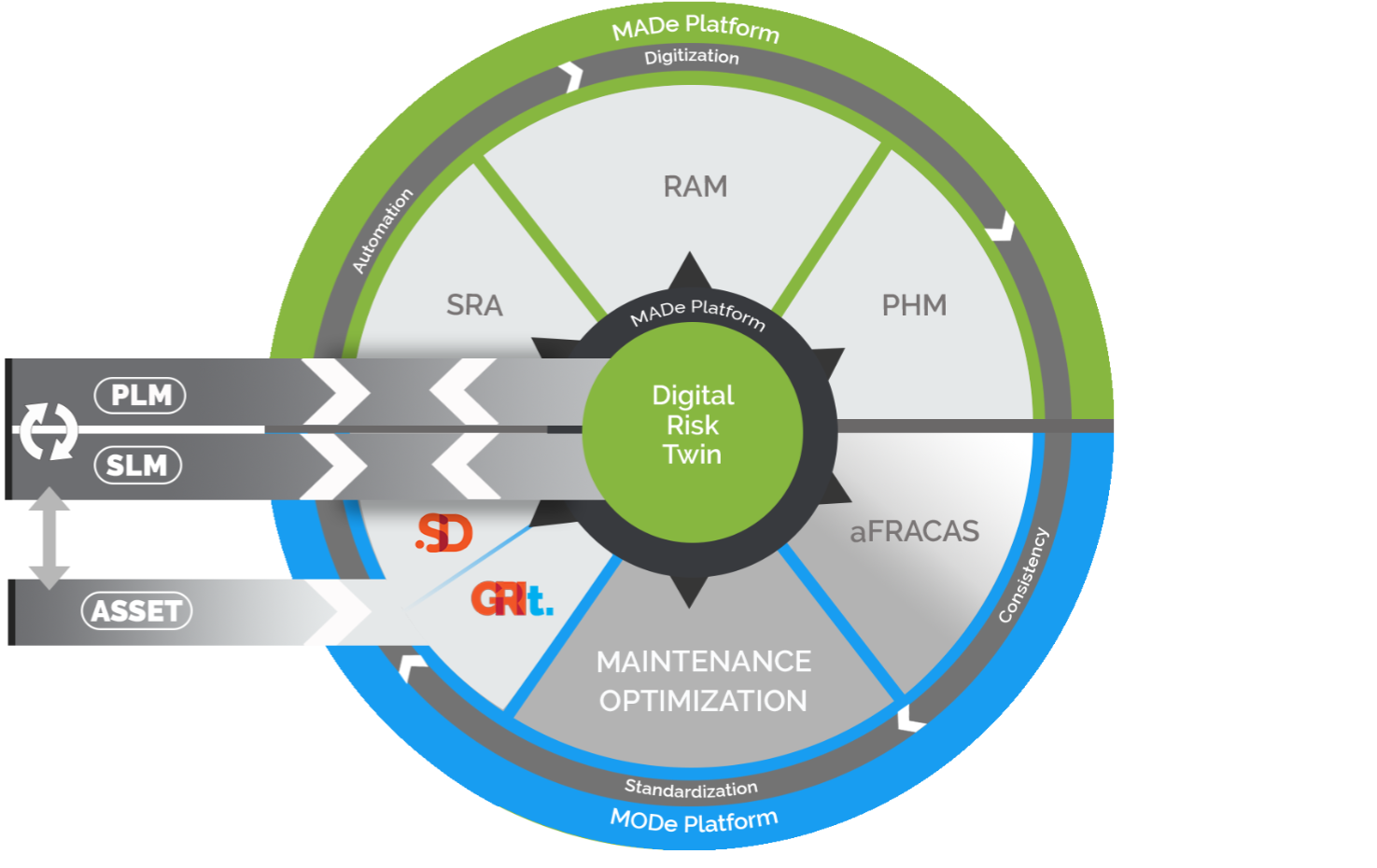
Learn about the PHM Ecosystem
Contact us for a Demonstration Today!