

Risk connected to system behaviour
The DRT links functions, flows, dependencies and components so failure behaviour can be analysed in context rather than treated as isolated spreadsheet entries.
A Digital Risk Twin helps engineering teams identify, analyse and mitigate technical risk from early concept and design through to operations and sustainment.
MADE creates and maintains a Digital Risk Twin, enabling model-based RAMS analysis, failure propagation insight, design optimisation and lifecycle decision support.
Learn more about MADEIn complex mission-critical systems, risk does not live in isolated documents. It moves through functions, dependencies, components, operating contexts and maintenance decisions.
A Digital Risk Twin captures that connected risk logic so engineering teams can understand how failures propagate, how impacts change across the lifecycle, and where mitigation delivers the greatest value.
A Digital Risk Twin uses a simulation model of a system to identify potential failures, hazards and consequences across system configuration, safety, operations, context and lifecycle cost.
The DRT links functions, flows, dependencies and components so failure behaviour can be analysed in context rather than treated as isolated spreadsheet entries.
Each risk can be considered against safety impact, operational impact, environmental context, mission profile, logistics approach and cost of ownership.
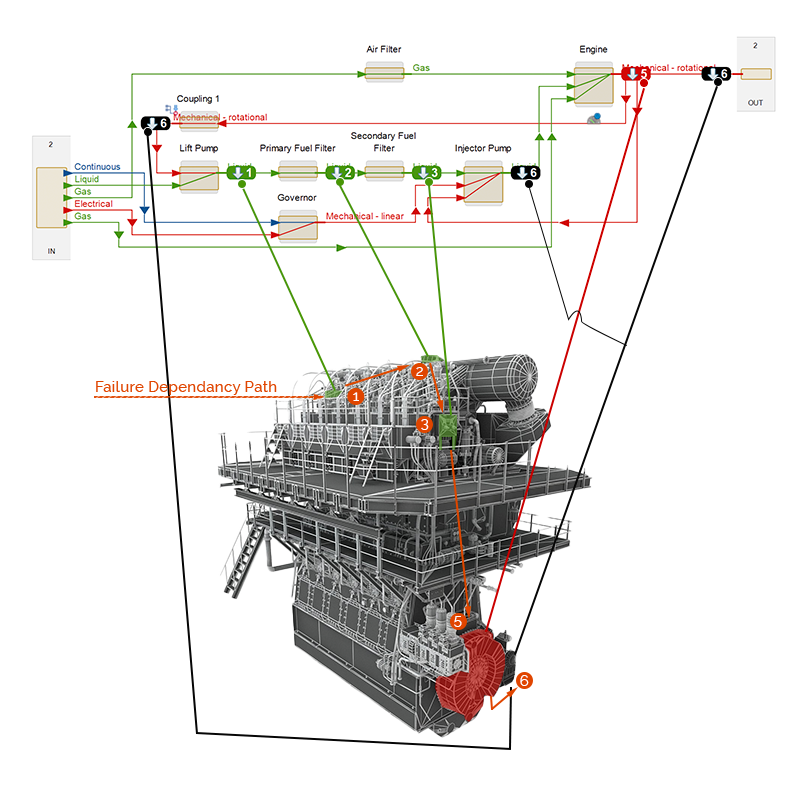
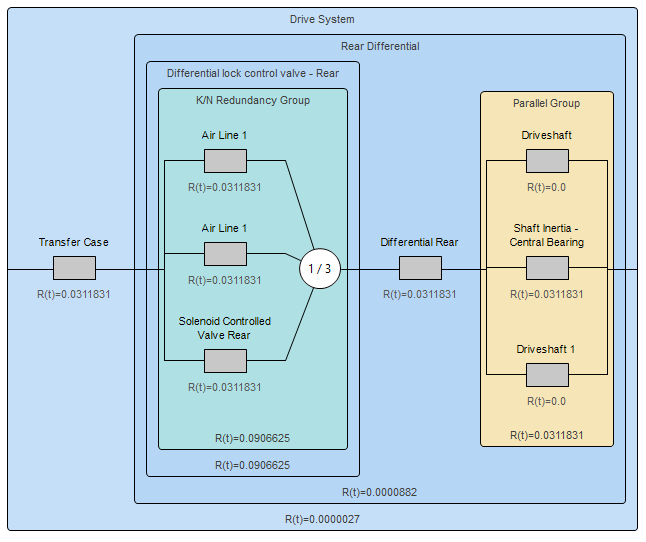
Example of failure propagation identified by MADE’s Digital Risk Twin through the injection of a failure in the coupling assembly.
“A Digital Risk Twin is a Digital Twin, or a digital representation of an intended, or actual physical product that contains the necessary information in terms of functions, flows, components and other criteria that allows a risk simulation to be undertaken, identifying the risks of a system during operation and their path of propagation through the system.”
MADE generates a dynamic model of a system focused on risk management, RAMS analysis, availability, maintainability and lifecycle performance.
MADE provides a virtual representation of system design, physical functionality and processes so engineering teams can monitor, analyse and manage technical risks proactively.
By connecting risk management with availability and maintainability assessment, MADE supports better decisions across design, operations and sustainment.
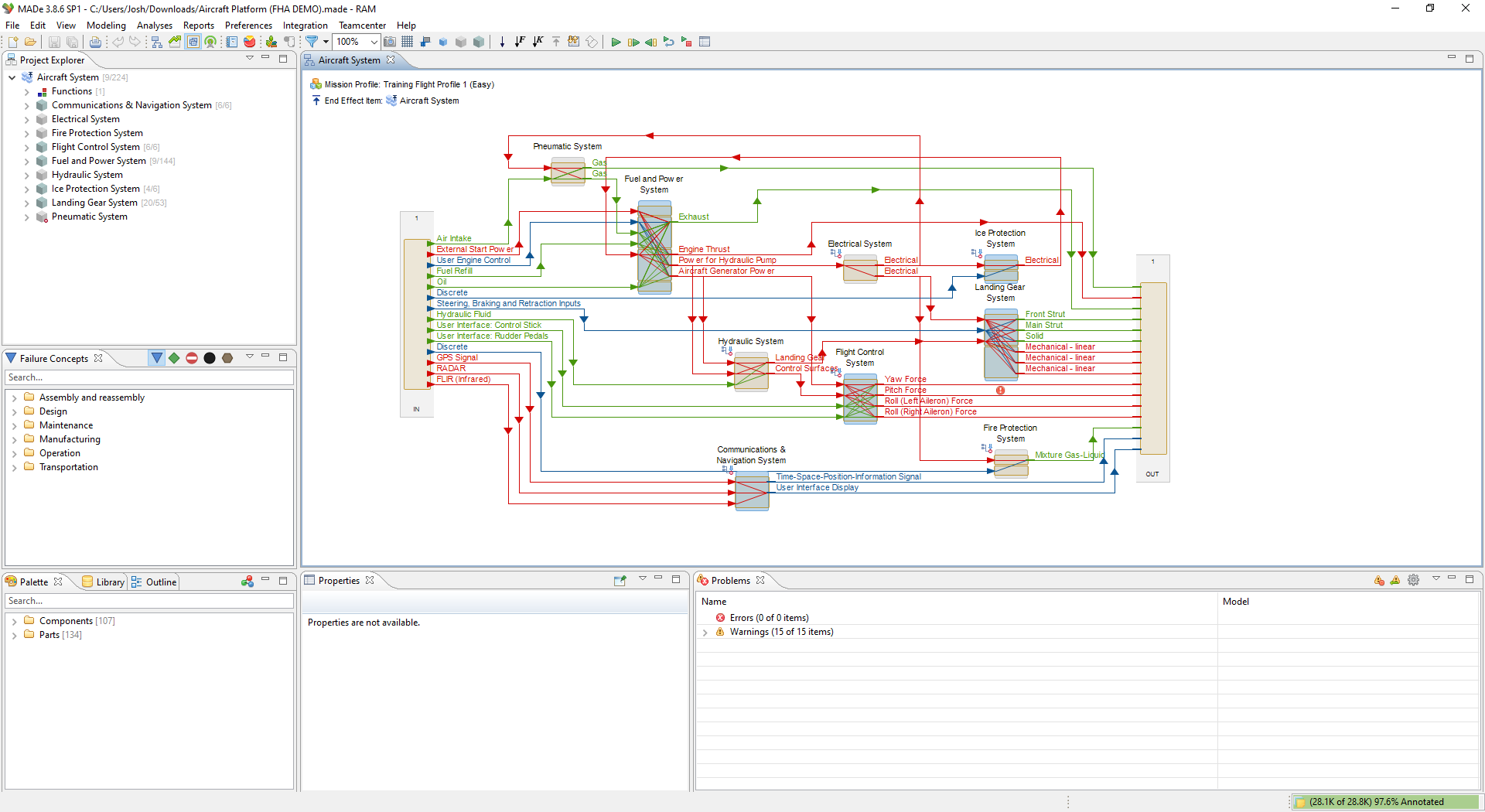
MADE enables engineers to create, maintain and analyse a Digital Risk Twin as system designs evolve.
A DRT improves RAMS quality and speed by combining model-based engineering, automation, simulation, visualisation and connected data.
Digital Risk Twins help engineering teams manage complexity, maintain data currency and reduce manual effort across RAMS activities.
Provides a unified view of system risks and dependencies across increasingly complex multi-domain engineering systems.
Helps ensure that updates in one area are reflected across related analyses and decisions.
Automates repetitive data exchange and analysis so engineers can focus on risk identification and mitigation.
A DRT supports RAMS knowledge capture, safety assessment, optimisation, reuse and integration between design and operations.
Captures and shares risk models, failure causes and system knowledge.
Supports safety assessment processes including FHA and FTA.
Reuses data and analysis knowledge across projects and future designs.
Connects design insight with physical systems and sustainment feedback.
A Digital Risk Twin helps improve analysis quality, reduce lifecycle cost, accelerate future development and strengthen certification confidence.
A model-based DRT allows RAMS assessments to be iterated efficiently, reducing the need to manually track changes across disconnected systems and disciplines.
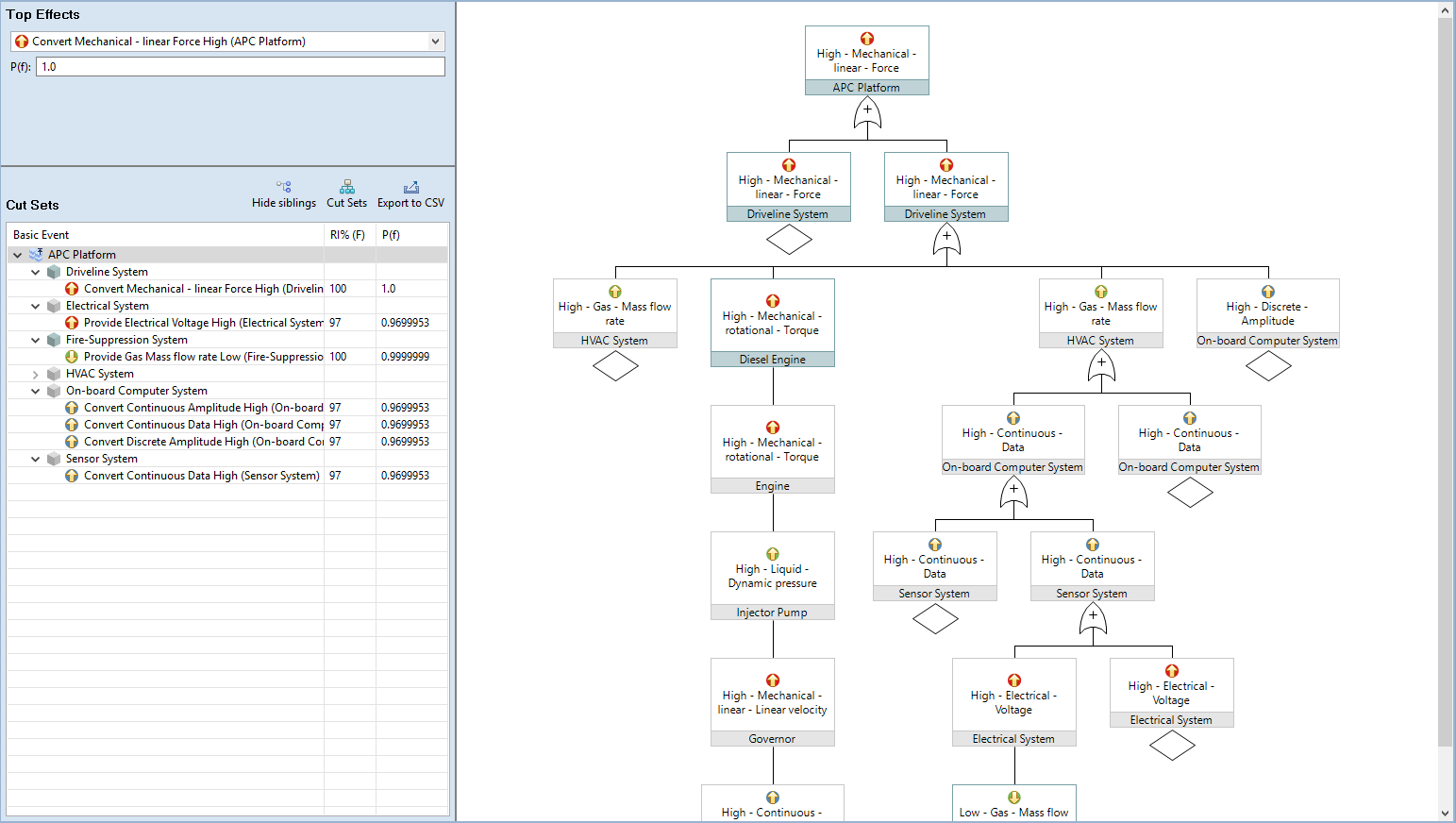
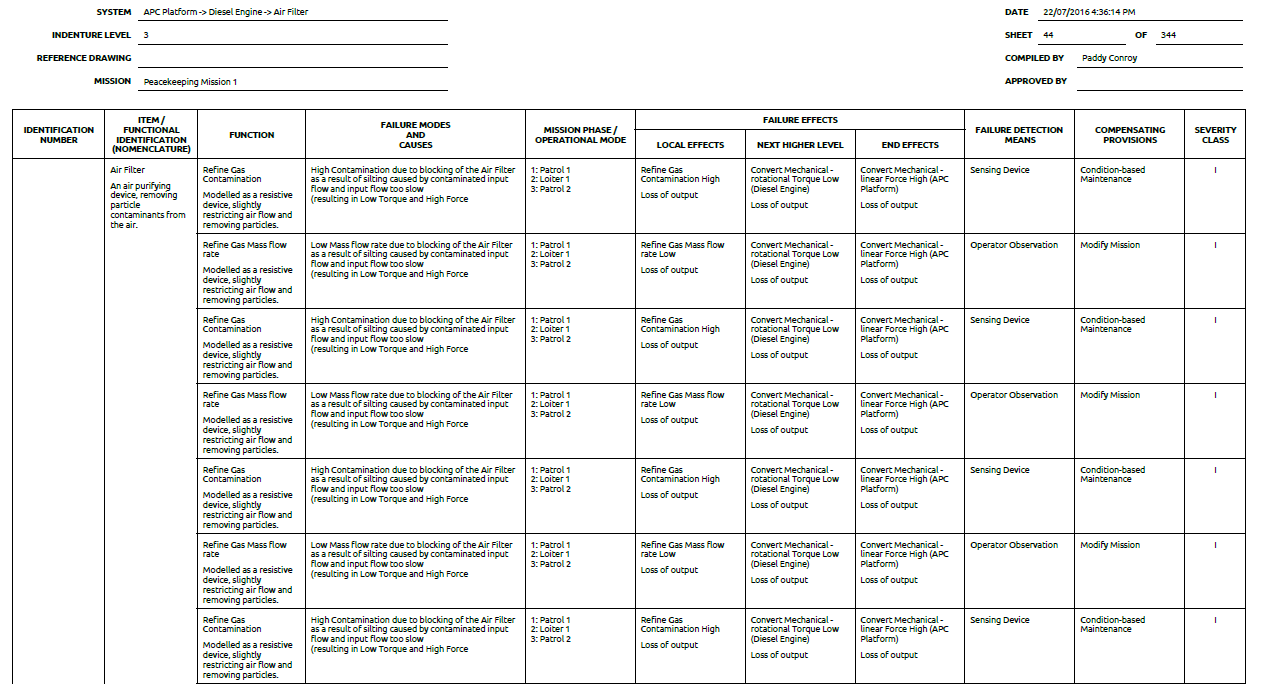
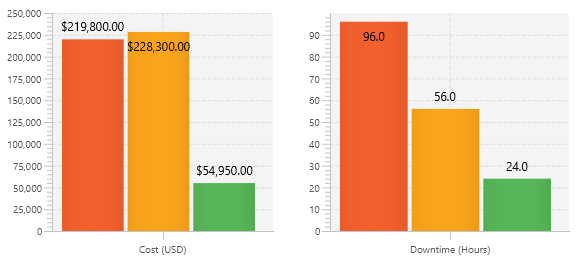
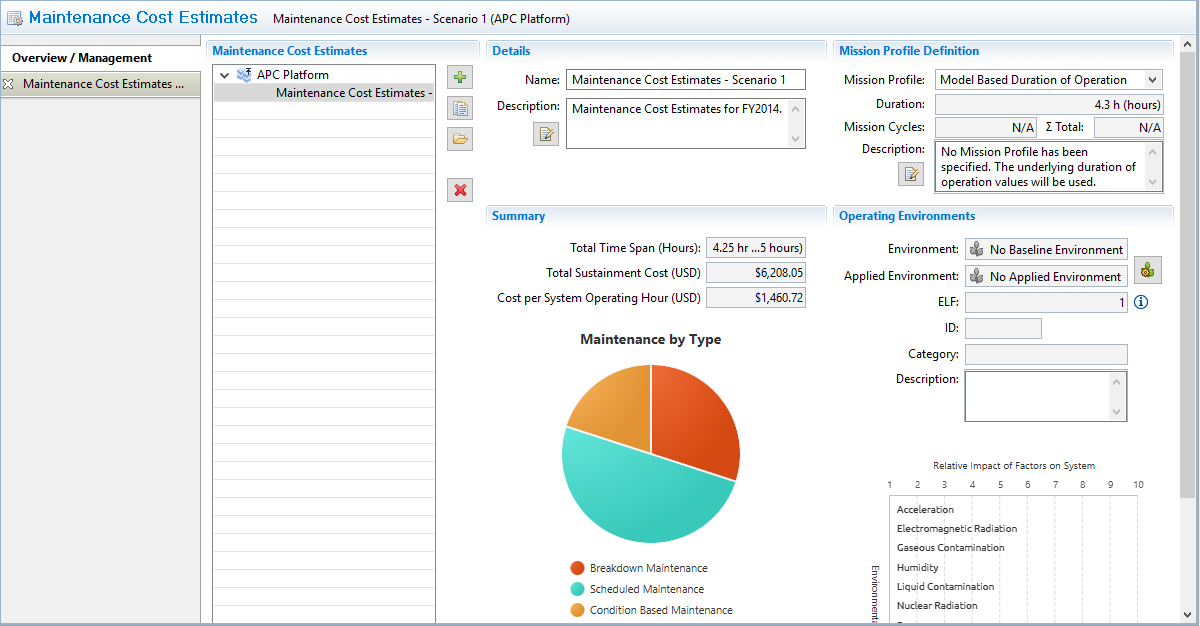
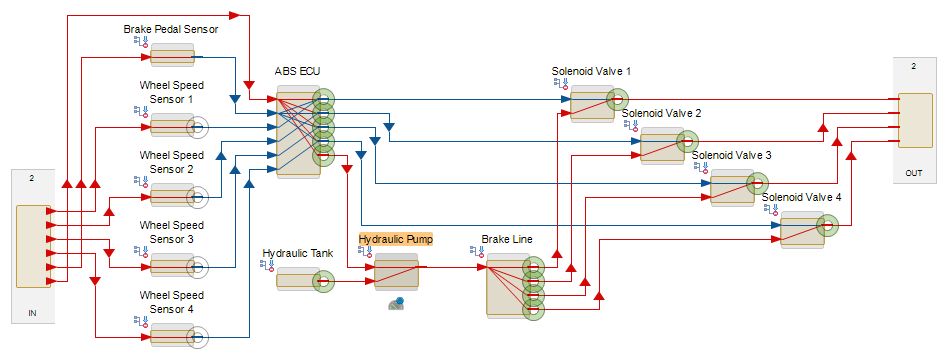
PHM Technology published the paper “The Digital Risk Twin – Enabling Model-based RAMS”, outlining how DRT technology enables digital transformation for the RAMS domain.
The paper discusses DRT terminology, RAMS-specific context, key attributes and deliverables, and how a Digital Risk Twin provides value by connecting risk, safety and system behaviour.
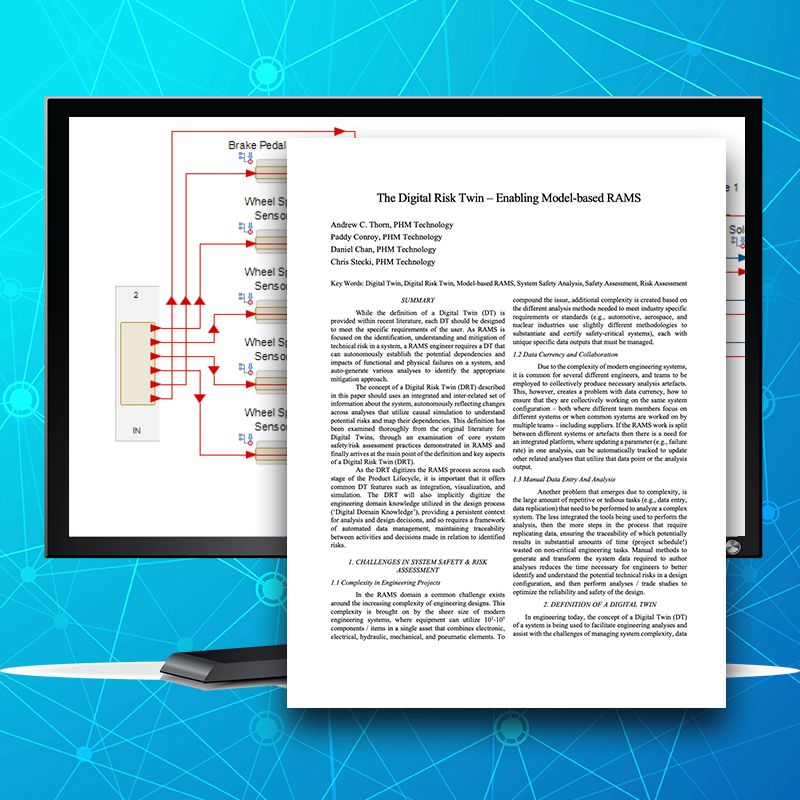
Learn how a Digital Risk Twin supports model-based RAMS by autonomously establishing potential dependencies and impacts of functional and physical failures across a system.
Download the PaperMADE’s Digital Risk Twin gives engineering teams a connected, traceable and simulation-driven way to understand system risk, improve design decisions and support lifecycle performance.
Explore MADE